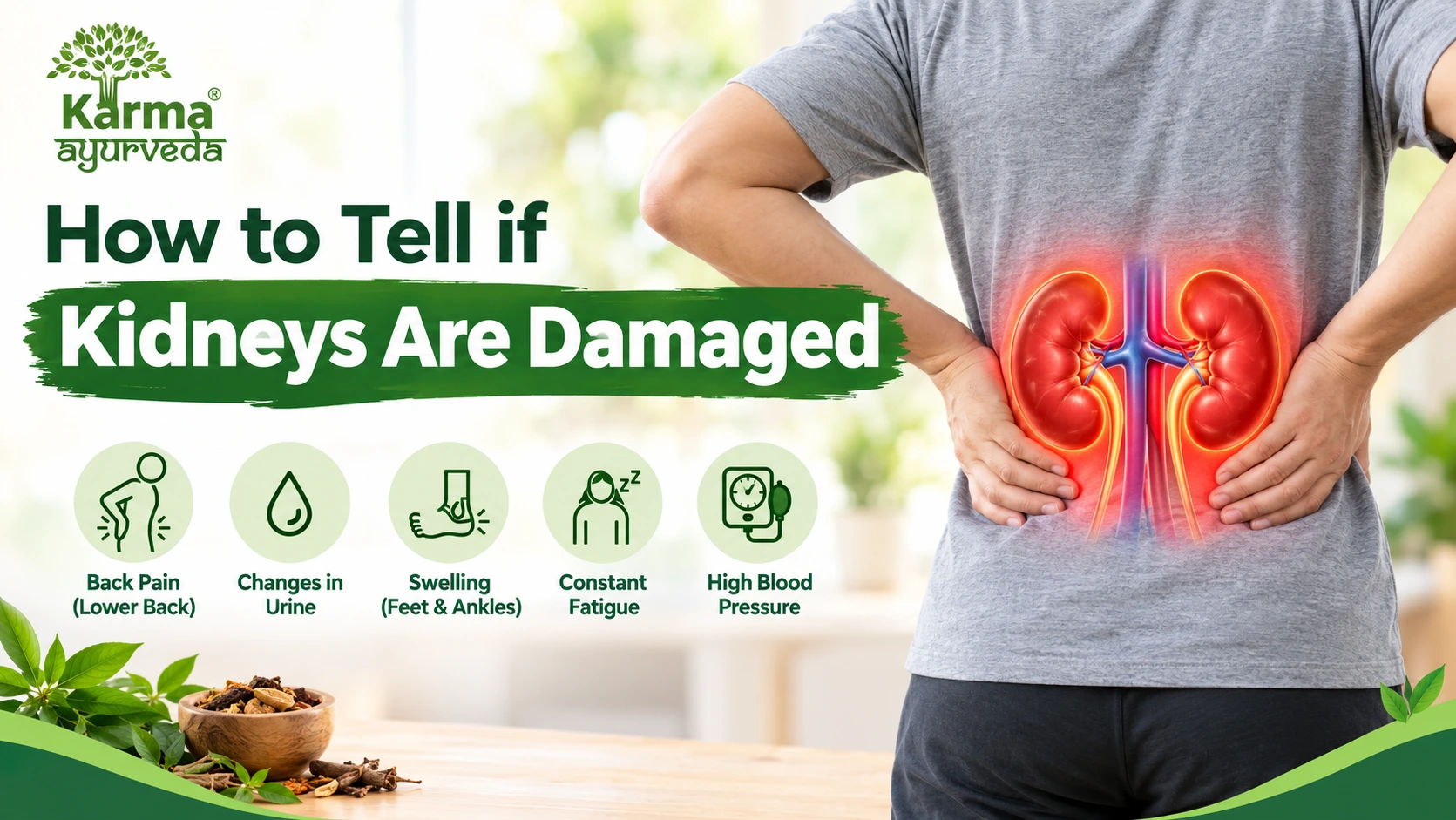

In order to check for kidney damage, look for swelling, foamy urine, and constant tiredness and then confirm with blood and urine tests. The only challenge is that the kidneys are strong, silent organs, and you may lose a lot of their function before they tell you anything.
They are like two bean-shaped bouncers that filter around 180 liters of blood each day. If the party gets overwhelmed, messiness ensues.
Common Kidney Damage Symptoms You Shouldn't Ignore
These are the kidney damage symptoms that people often mistakenly blame on just a long week:
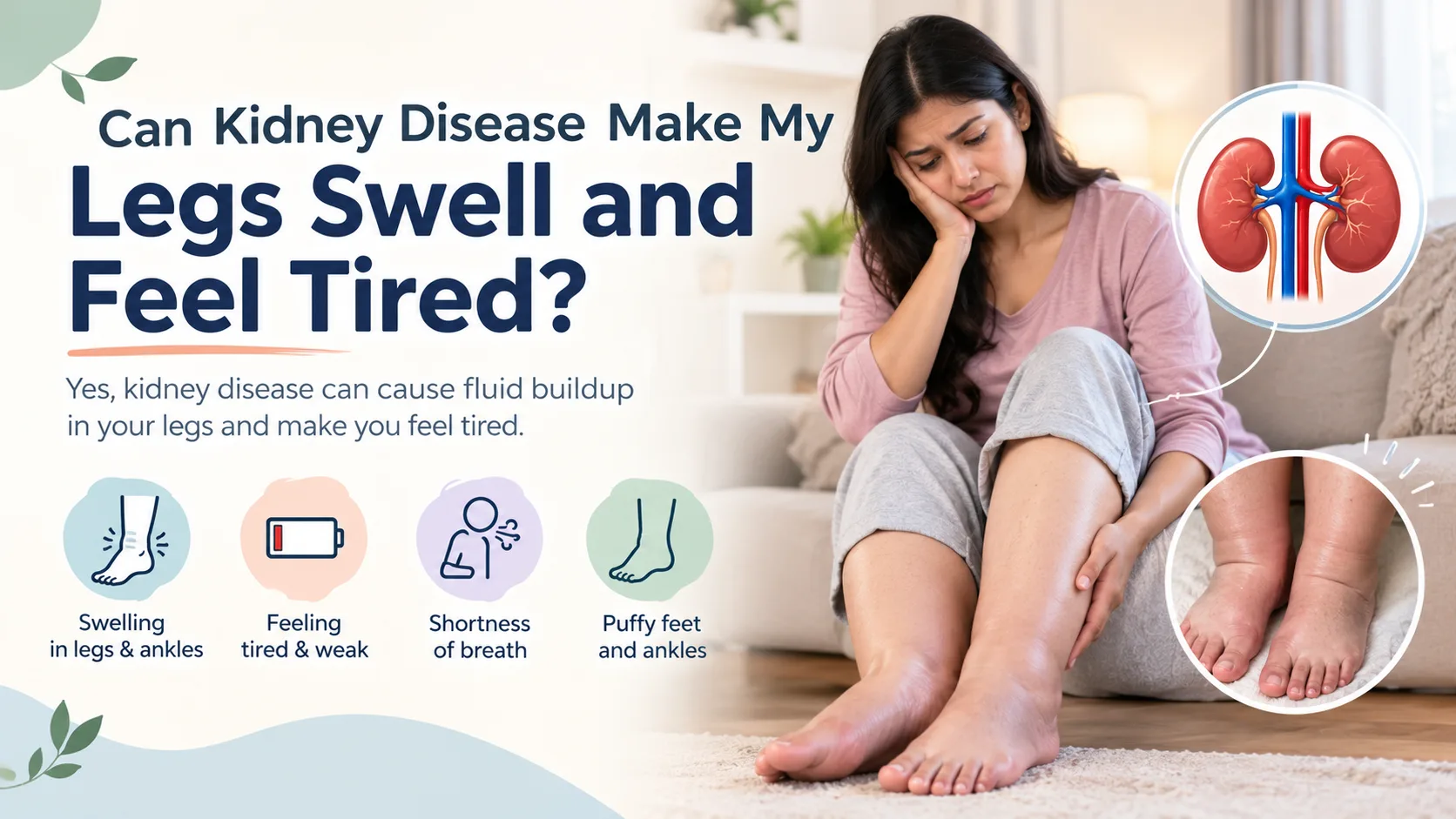
- Swollen ankles, feet, or eyes. It means that the extra fluid does not find a way out and remains in your legs and eyes, leaving deep marks on your socks.
- Foamy or bubbly urine. A little foam is normal, but a beer-head condition indicates leaking of protein.
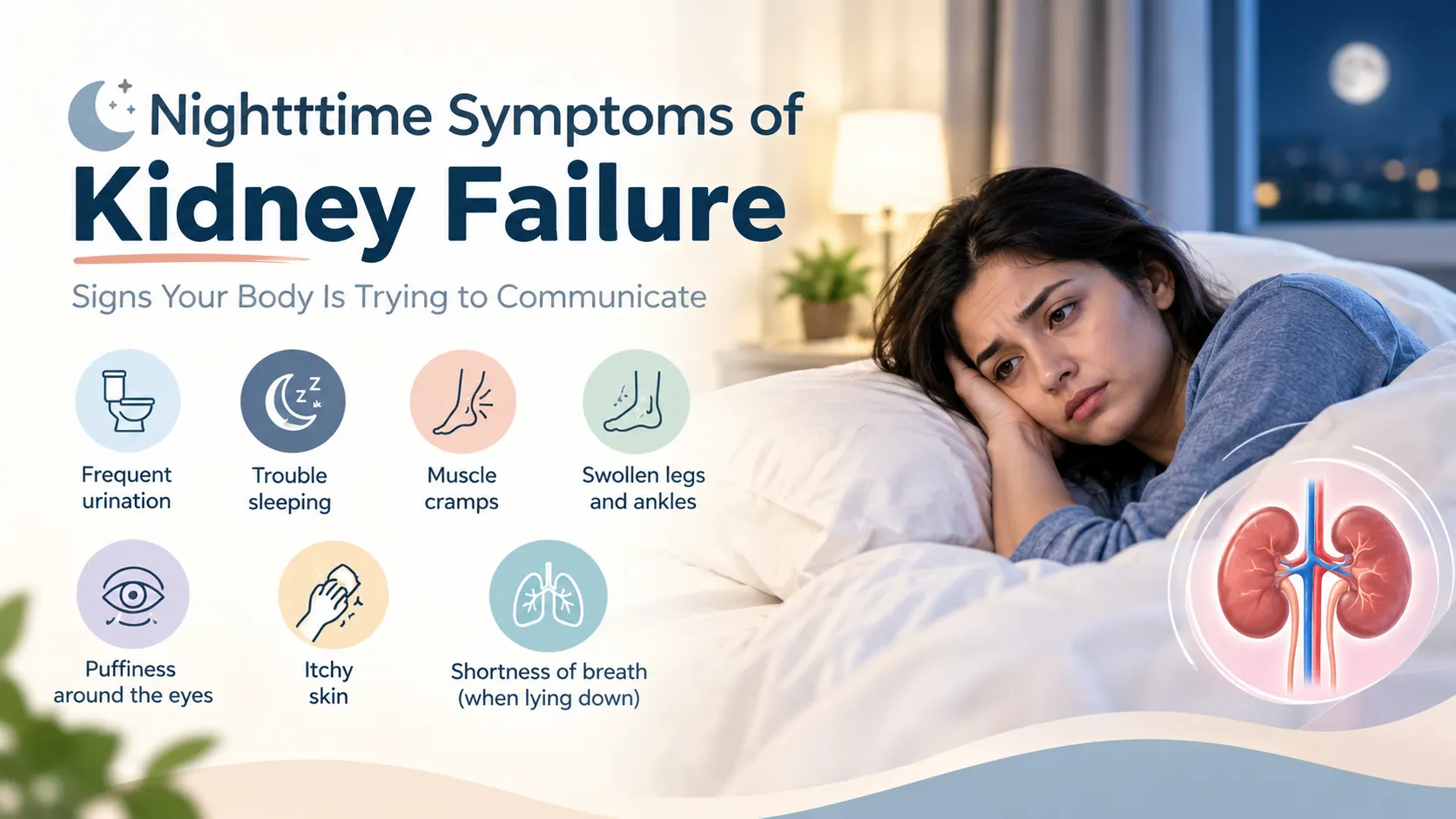
- Changes in how often you pee, especially more trips at night.
- Fatigue and brain fog. Waste accumulates, and your body runs on low battery.
- Irritating skin and metallic taste in your mouth.
- Nausea, bad appetite, or muscle cramps.
The symptoms of kidney disease coincide with symptoms of other illnesses; thus, they cannot prove kidney malfunction alone. A pattern is needed.
Why Symptoms Alone Can Fool You
A review of the global data (Hill et al., PLOS ONE, 2016) shows that approximately 13.4% of people around the world suffer from chronic kidney diseases. Many people do not know about their problem. In India, a study named SEEK (Singh et al., Nephrology Dialysis Transplantation, 2013) showed a prevalence of approximately 17% among people who were screened, and the majority were not aware of the illness. So, waiting for the symptoms is similar to waiting for smoke alarms to activate after the couch has already been ignited.
The Tests That Actually Help you to Solve the Problems
|
Test |
What it checks |
Funny but true |
|
eGFR (blood test) |
How well the filters work |
Your kidney report card |
|
Urine ACR |
Leaking protein in the urine |
The " Why is my pee foamy test |
|
Serum creatinine |
Waste buildup in blood |
Waste bin |
|
Ultrasound |
Size and structure |
Meet your beans |
The calculation of eGFR was done using the CKD-EPI equation (Levey et al., Annals of Internal Medicine, 2009), and KDIGO guidelines consider chronic disease to be an alteration of indicators lasting over three months.
Who should be checked up earlier?
- People with diabetes and high blood pressure
- Anyone having a family history of renal diseases
- Regular painkiller users (looking at you, ibuprofen on repeat)
- People over 60 years of age
Where Ayurveda Fits In
Many people inquire about natural treatment of kidney damage. The most frequently cited natural herbs that are considered the best ones are Punarnava (Boerhavia diffusa) and Gokshura, but there is still very little evidence from large-scale human studies, and more research is needed on this topic. Therefore, use them as additional support, but not as an alternative to your nephrologist.
Always be careful about unregulated herbs too, as sometimes they are harmful to the kidneys. An example is aristolochic acid nephropathy (Debelle et al., Kidney International, 2008).
Consult with a qualified practitioner and do research on it to be informed about the risks and potential benefits of Ayurvedic treatment for kidney damage. It's a useful way to get a new perspective on your situation, but you should always inform your regular doctor about what you're doing.
Everyday Habits
- Drink water wisely (not a gallon by 10 a.m)
- Maintain blood sugar and pressure within limits
- Go easy on salt and painkillers
- Exercise, including taking a daily walk.
Key Takeaways
- Early damage can be asymptomatic; thus, it is better to check than guess.
- Swelling, foamy urine, and fatigue are classic signs.
- The key tests for CKD diagnosis are eGFR and urine ACR.
- The main risk factors include diabetes and high blood pressure.
- Herbal remedies can be used, but there is insufficient evidence for them, and they should not be used as an alternative to medical treatment.
📩 Ask a Kidney Expert (Free 10-Min Consultation)
FAQs
Can you have kidney damage without symptoms?
Yes, sneaky as it sounds, early damage often shows up only on tests.
Which test is best for spotting kidney problems?
eGFR plus a urine protein test is the dream team.
Is foamy urine always a bad sign?
Nope, but if it sticks around, get it checked.
Can kidney damage be reversed?
Sometimes if caught early; otherwise, the goal is slowing it down.
Are herbal remedies safe for weak kidneys?
Only under professional guidance, since some herbs do more harm than good.
Disclaimer
This article is for general information only and isn’t medical advice. Kidney conditions need proper diagnosis and treatment from a qualified healthcare professional. Please don’t start, stop, or change any medicine or herbal product without consulting your doctor, especially if you already have a diagnosed condition.