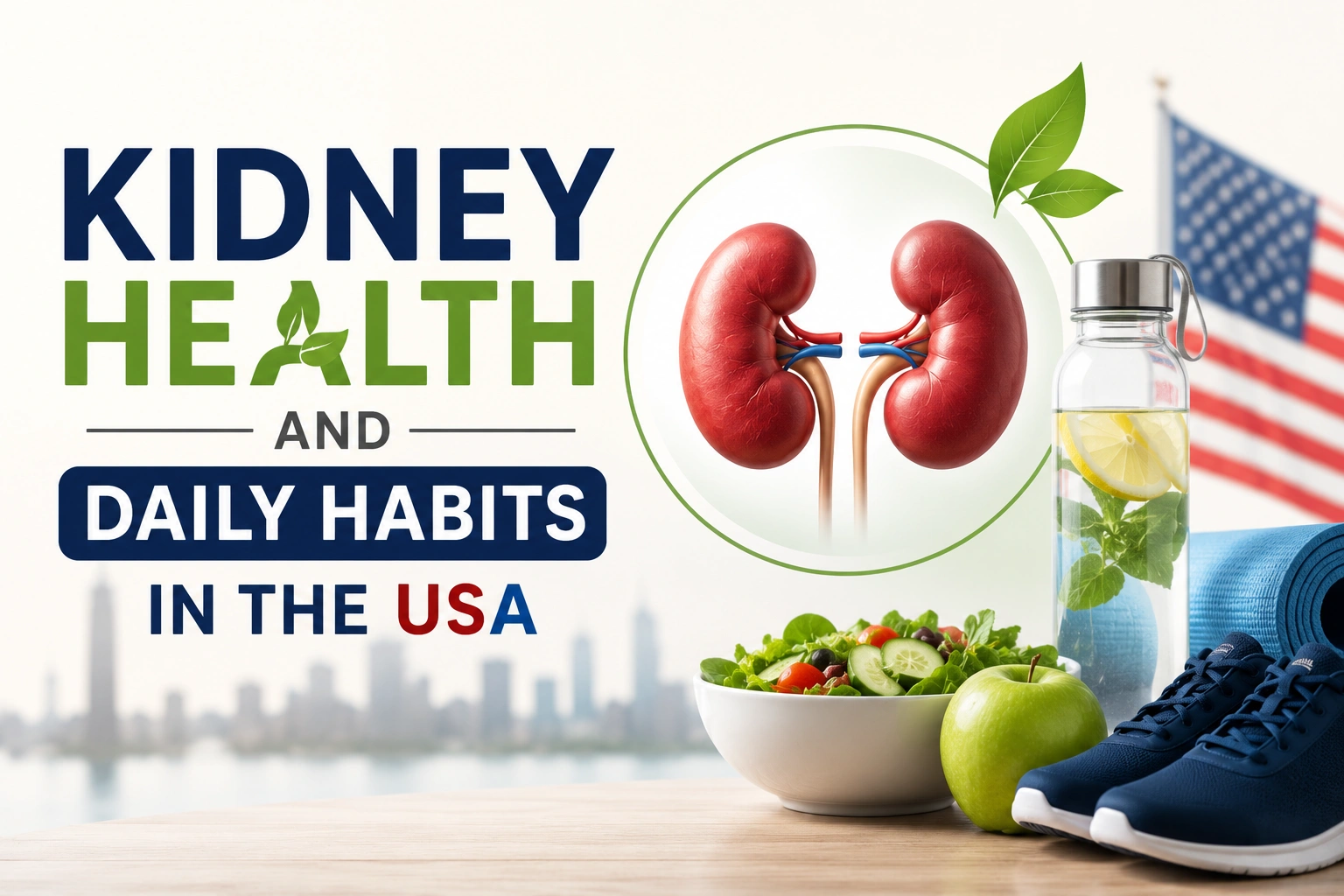

Yes, your daily habits really can make or break your kidneys; and no, it's not just about drinking eight glasses of water and calling it a day. Kidney health daily habits are basically the small, boring, unglamorous choices you make every single day, and it turns out those choices matter way more than any fancy supplement your cousin is selling on Instagram.
Let's be honest; nobody wakes up thinking "you know what would be fun today? Thinking about my kidneys." These two bean-shaped organs sit quietly in your lower back, filtering about 50 gallons of blood a day, and they never ask for a raise or a thank-you note. They just work. Until, one day, they don't; and that's usually when people start Googling frantically at 2 a.m.
Why Nobody Talks About Kidneys Until It's Too Late
Kidneys are the strong, silent type. According to the CDC, more than 1 in 7 adults in the US are living with chronic kidney disease, and a huge chunk of them don't even know it. That's not a scare tactic; that's just data being dramatic on its own. Early kidney damage rarely comes with symptoms; it just quietly builds up like unread emails.
This is exactly why kidney health daily habits deserve way more attention than they get. A study published in the Journal of the American Society of Nephrology found that consistent lifestyle patterns, not occasional health kicks, were the strongest predictors of long-term kidney function. Translation: crash diets and juice cleanses don't impress your kidneys. Consistency does.
The Habits That Actually Move the Needle
Here's the good news: none of this requires you to become a wellness influencer.
-
Hydrate like you mean it; Water helps kidneys flush out waste. Research from the National Kidney Foundation links chronic under-hydration to a higher risk of kidney stones.
-
Go easy on the salt shaker; A study in the American Journal of Kidney Diseases connected high sodium intake with increased blood pressure, which is basically a kidney's worst enemy.
-
Move your body; Even a 30-minute walk helps regulate blood pressure and blood sugar, both of which protect kidney function long-term.
-
Don't self-medicate like a pharmacist; Overusing NSAIDs (ibuprofen, we're looking at you) has been linked to kidney damage in multiple studies, including research published by the National Institute of Diabetes and Digestive and Kidney Diseases (NIDDK).
-
Sleep like it's your job; Poor sleep patterns have been associated with faster kidney function decline in longitudinal studies. Your kidneys don't care about your Netflix queue.
Adopting a kidney-friendly lifestyle doesn't mean giving up pizza forever. It means making the majority of your choices count, most of the time.
Kidney Care USA: A Slightly Different Ballgame
Kidney care USA comes with its own unique flavor of challenges; think processed food culture, portion sizes that could feed a small village, and a healthcare system where preventive screenings often get skipped until something goes wrong. Add in the fact that diabetes and high blood pressure (the two biggest kidney disease culprits) are alarmingly common across the country, and you've got a recipe that needs some rewriting.
The fix isn't complicated, though. It's daily kidney support in small, repeatable doses; swapping processed snacks for whole foods, getting annual checkups, and not treating "I'll drink water later" as a lifestyle philosophy.
Quick Comparison: Kidney-Friendly vs. Kidney-Unfriendly Choices
|
Habit |
Kidneys Say "Thank You" |
Kidneys Say "Really?" |
|
Hydration |
Water, herbal tea |
Energy drinks by the case |
|
Snacking |
Fruits, nuts |
Chips straight from the family-size bag |
|
Painkillers |
Occasional, as directed |
"I'll just take four ibuprofens, it's fine" |
|
Sleep |
7-8 hours |
4 hours and a prayer |
|
Salt |
Seasoned mindfully |
Salting before even tasting the food |
Building Real Kidney Wellness Habits
Good kidney wellness habits aren't built in a weekend detox; they're built in boring, repeated Tuesdays. Cook at home more often, read a nutrition label occasionally, and stop treating your annual physical like an optional subscription you can cancel.
If you're leaning toward natural kidney health approaches, that's great; just make sure "natural" doesn't mean skipping medical advice for a TikTok tea recipe. Natural and evidence-based can absolutely coexist; they just need to be introduced properly.
At the end of the day, kidney health daily habits aren't about perfection. They're about showing up for your body a little more often than you don't.
Key Takeaways
-
Daily prevention matters more than treatment in most cases.
-
Hydration, low sodium intake, and regular movement are some of the best habits for kidney health.
-
Overusing painkillers must be avoided.
-
A kidney-friendly lifestyle is built through small, consistent habits.
FAQ
How often should I get my kidneys checked?
Once a year is a solid rule of thumb, especially if you have diabetes, high blood pressure, or a family history.
Do kidney stones mean I have kidney disease?
Not necessarily, but they're a signal your kidneys would appreciate a hydration upgrade.
Can stress actually affect kidney health?
Chronic stress can raise blood pressure, and that indirectly puts extra pressure on your kidneys, too.
Disclaimer
This blog is for general informational purposes only and isn't a substitute for professional medical advice, diagnosis, or treatment. Always consult a qualified healthcare provider regarding kidney health concerns or before making changes to your diet, medication, or lifestyle routine.