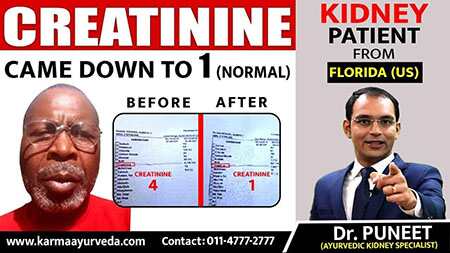

What is creatinine? Creatinine is a waste product that your muscles create during the use of energy. It is filtered by kidneys through your urine. Doctors check creatinine levels through a blood test as an early indication of the kidneys not working properly.
To understand the situation, think of the crumbs left after the muscle-powered meal. If the cleaning crew (kidneys) is working properly, the table will remain clean. However, if the crew slows down, the crumbs will start to accumulate, which is definitely not pleasant.
Why Doctors Care About This Tiny Molecule
Your body naturally produces a certain amount of creatinine each day, which depends on the size of your muscle mass. The consistency of creatinine production is exactly why it is considered a useful indicator for evaluation of kidney function. In the classic review by Perrone et al. (Clinical Chemistry, 1992), the use of this marker to evaluate kidney filterability and interpretation issues were discussed.
Doctors often estimate your eGFR (estimated glomerular filtration rate), which shows how many cycles of cleaning of filtration units you have in a minute. The equation CKD-EPI is popular in order to calculate this indicator.
Normal Range of Creatinine
The usual range of creatinine differs from person to person. The typical adult values are:
|
Group |
Typical Range (mg/dL) |
Fun Note |
|
Adult men |
0.7 to 1.3 |
More muscle, more crumbs |
|
Women |
0.6 to 1.1 |
Usually lower, but it's not a cause for worry. |
|
Children |
0.3 to 0.7 |
Tiny humans, tiny numbers |
What Can Nudge Your Numbers?
However, not every high creatinine level indicates problems. A research made by Baxmann et al. in Clinical Journal of the American Society of Nephrology (2008) established that such things as physical activity and muscle mass can influence the level of creatinine in the blood. In addition, other causes of increased levels of creatinine include:
- High-protein meal or creatine supplements
- Dehydration (Yes, forgetting your water bottle is included)
- Certain medications such as some pain relievers
- Unexplained kidney, blood pressure, or diabetes problems
High Creatinine Early Symptoms
And here is the trick: in the beginning, people do not feel anything. And then when the symptoms appear, the early symptoms of high creatinine are:
- Unusual fatigue despite having enough sleep
- Swelling of eyelids, ankles, and feet
- Foamy or darker urine
- Changes in how often you pee
- Itchy skin or a metallic taste in the mouth
In and of themselves, these signs and symptoms will not give you any definite diagnosis. The blood test will give you the necessary information.
Lifestyle Support That Really Works
There are several simple yet effective natural treatments for high creatinine. Such practices include drinking enough water, controlling blood sugar and blood pressure, and staying away from sodium. KDIGO 2012 guideline on chronic kidney disease also underlines the importance of treating these root causes.
Ayurveda's Place in Lifestyle
Besides other treatments, there are many people who are interested in high creatinine Ayurveda treatment. There are some herbs which people traditionally use to treat kidney problems, such as Punarnava and Gokshura, which were traditionally used for treatment of the urinary system. It's important to remember that research on these herbs has only started, and they cannot be considered a substitute for your medical care.
Practitioners such as Dr. Puneet Dhawan frequently speak about personalized diets and herbal routines. In addition to this, Karma Ayurveda is considered one of the popular options for the treatment of high creatinine. Regardless of the option chosen, remember to communicate with your nephrologist on the subject.
Key Takeaways
- Creatinine is a muscle waste product filtered by the kidneys.
- Normal levels of creatinine are approximately 0.7–1.3 mg/dL for men and 0.6–1.1 mg/dL for women.
- Symptoms of diseases are subtle and appear when they have already been developing for some time. Testing is necessary for timely detection of the problem.
- Hydration, blood pressure control, and a healthy diet form the basis of a healthy heart.
- Ayurvedic approach supplements, and not substitutes, traditional medicine.
📩 Ask a Kidney Expert (Free 10-Min Consultation)
FAQs
What is creatinine in simple words?
Waste products of muscles that get flushed out of the body via urine.
What is a normal creatinine level?
Most adults have a value of the marker in the range of 0.6-1.3 mg/dL, which depends on the individual's sex and muscle mass.
Can drinking water reduce creatinine?
Yes, if it was dehydration, but water cannot solve underlying kidney problems.
Is it possible to have high creatinine without showing any symptoms?
Yes, and in this way, you are sure that you are doing everything correctly.
Disclaimer
This blog is for general education only and isn’t medical advice. Creatinine results need proper interpretation by a qualified doctor. Please consult a healthcare professional before changing medicines, diet, or starting any herbal remedy, especially if you have kidney concerns.