
Being told you need a low potassium diet for chronic kidney disease sounds about as exciting as watching paint dry, while sitting on a cactus. One day you’re enjoying a giant bowl of fruit salad, and the next, your doctor is looking at your lab results like you’ve been snacking on uranium.
If you’ve recently discovered that your kidneys are acting like grumpy bouncers at a nightclub, suddenly becoming very selective about what they let into your system, you aren’t alone. Managing your diet is one of the most powerful things you can do to feel better, but it shouldn't mean your meals have to taste like damp cardboard.
In this guide, we’re going to break down how to navigate a low potassium diet for chronic kidney disease without losing your mind (or your appetite).
Have any renal issues? Fill in the details and get an expert advice.
Why Your Kidneys Are Suddenly Picking a Fight with Bananas
You might be wondering, "Wait, isn't potassium supposed to be the good guy?" In a healthy body, it is! Potassium helps your muscles move, your nerves fire, and your heart beat in a steady rhythm. It’s basically the spark plug of your internal engine.
However, when you have kidney issues, those spark plugs can start to pile up. Think of your kidneys as a high-tech filtration system. When they’re working at 100%, they flush out extra potassium through your urine. But when they’re tired or damaged, that potassium stays in your blood.
If those levels get too high, a condition doctors call hyperkalemia, it can make your heart skip a beat, and not in the "I just saw my crush" kind of way. It’s more of a "this is a medical emergency" kind of way. That is exactly why a low potassium diet for kidney disease becomes a non-negotiable part of your routine. We want to keep your heart steady and your kidneys from working overtime.
The Secret Life of Potassium: Where is it Hiding?
Potassium is a bit of a social butterfly; it’s in almost everything. But some foods are "Potassium Superstars" (the ones we want to avoid) and others are "Low-Key Legends" (the ones we love).
To make your life easier, a potassium-restricted diet for chronic kidney disease focuses on swapping high-potassium items for lower-potassium alternatives. It’s not about starving; it’s about making smarter trades.]
Have any renal issues? Fill in the details and get an expert advice.
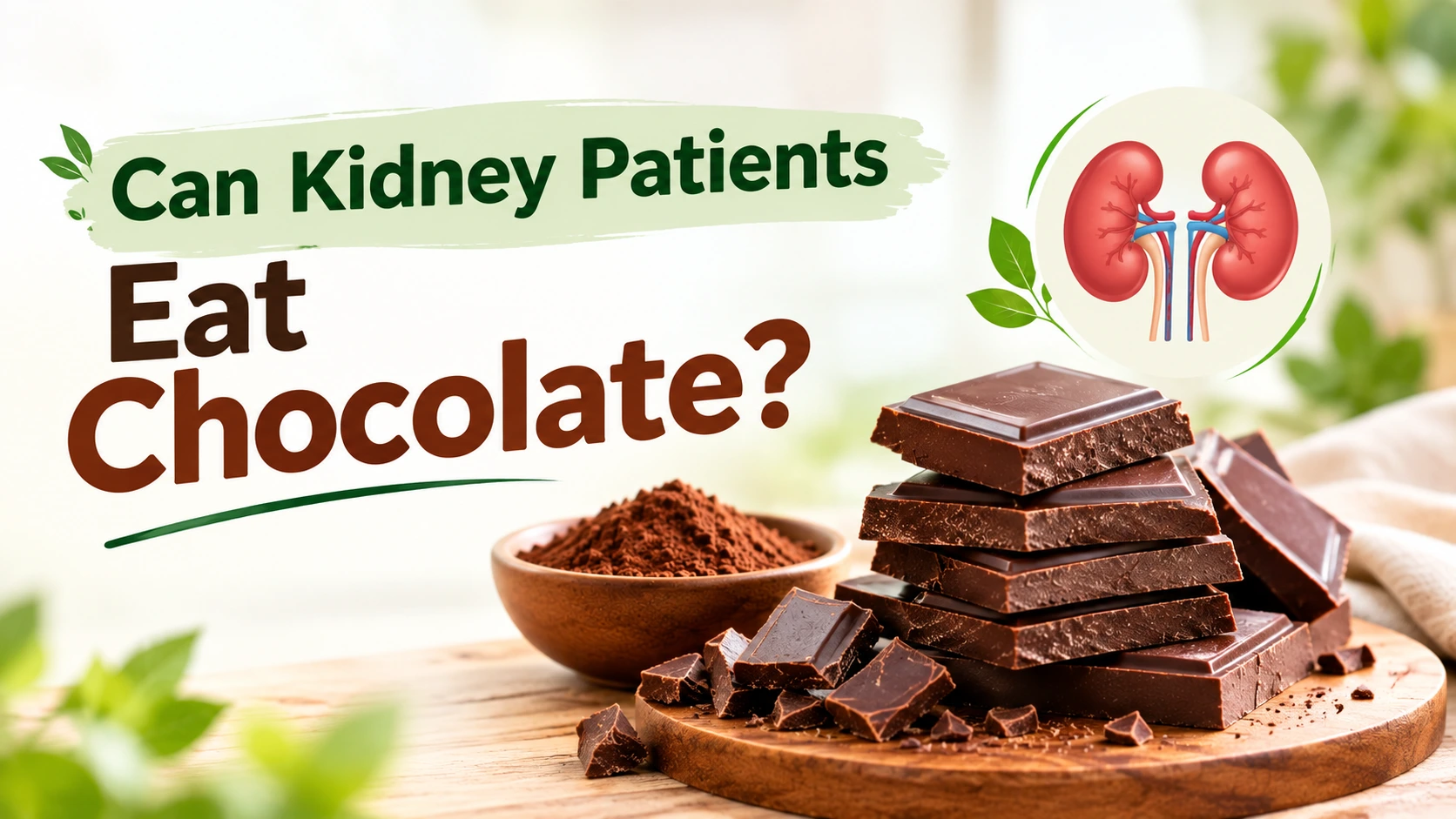
The "No-Go" Zone: High Potassium Foods
Here is a quick rundown of some low-potassium diet foods to avoid if you want to keep your levels in check:
-
The Usual Suspects: Bananas, oranges, and kiwis. (Sorry, King Kong, we have to pass on the bananas.
-
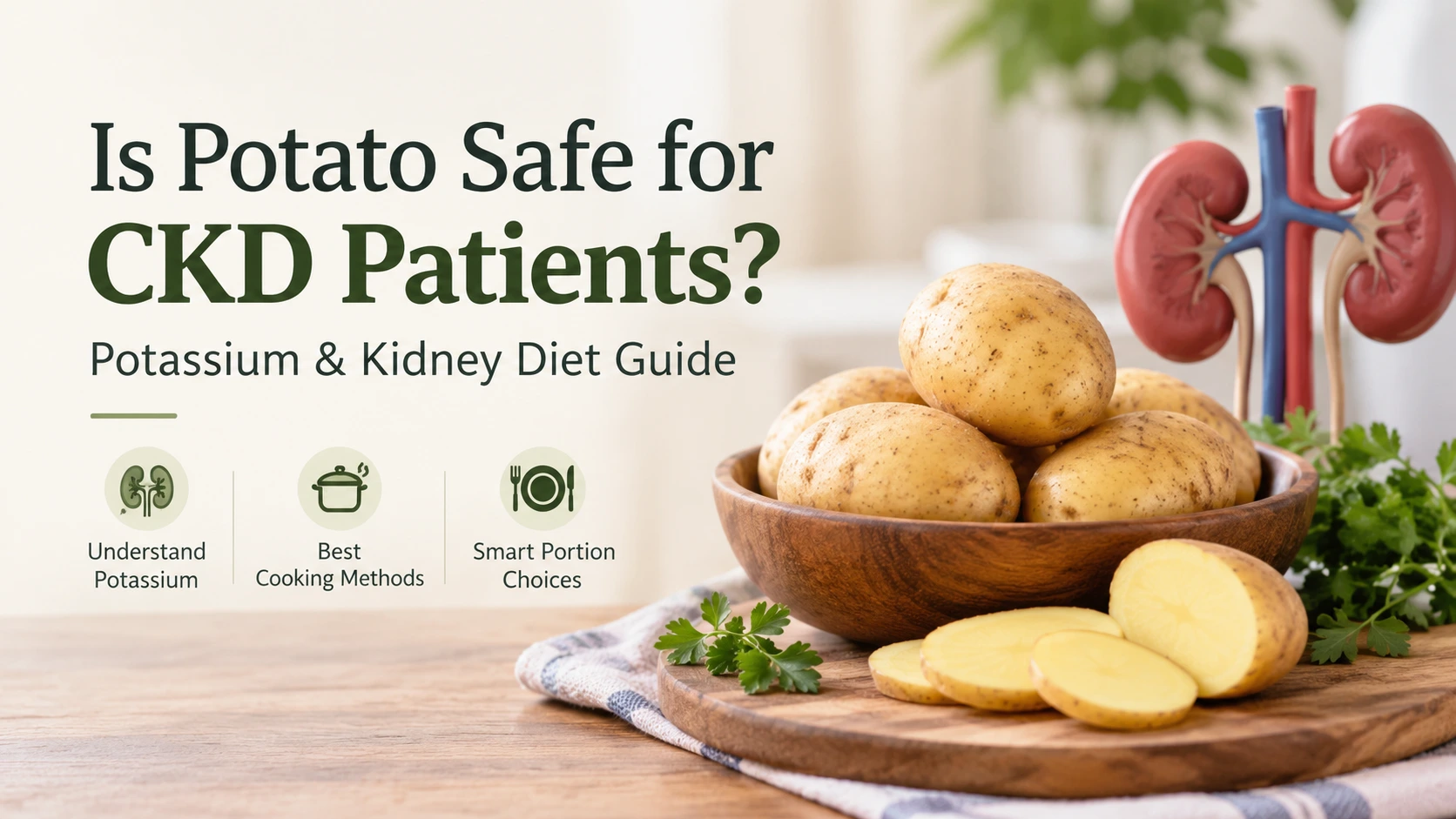
The Potato Problem: Potatoes are potassium bombs. This includes French fries, baked potatoes, and chips.
-
The Veggie Villains: Spinach, tomatoes, and cooked beet greens.
-
The Bean Scene: Most beans, lentils, and nuts are packed with it.
-
Dairy Dilemmas: Milk and yogurt can be surprisingly high in the P-word.
Filling Your Plate: What You CAN Eat
Now for the good news! There are plenty of delicious low potassium foods for chronic kidney disease that won't make your lab results go haywire. The trick is to focus on variety and portion control.
The "Green Light" Fruits
-
Apples and Applesauce: Nothing better for kidneys than these two goodies.
-
Berries: Blueberries, raspberries, and strawberries are low in potassium and pack a punch with their flavor.
-
Grapes: Great for snacking or freezing for a refreshing treat.
-
Pineapple: A tropical escape that won't stress your kidneys.
The "Safe" Veggie List
-
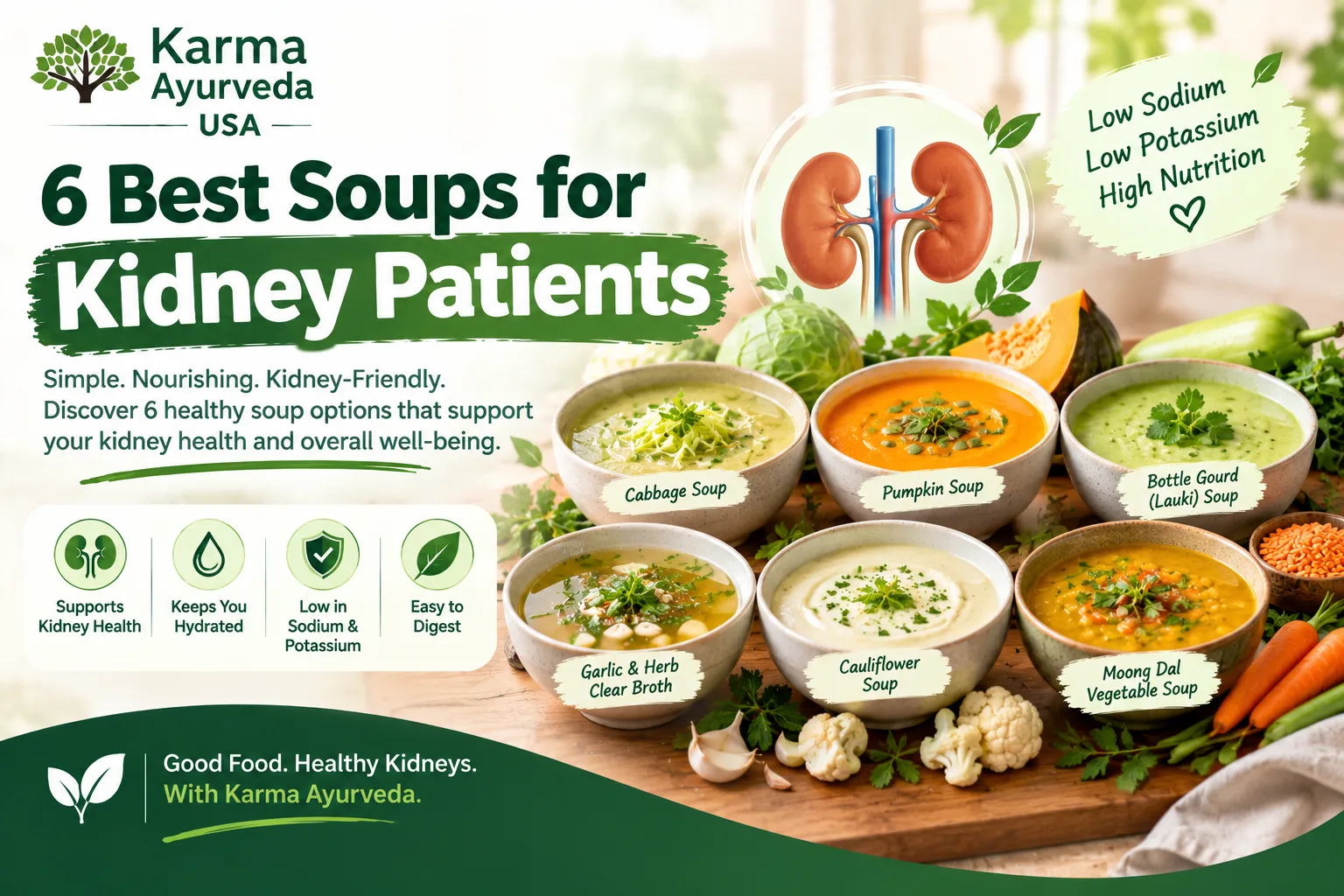
Cauliflower: The chameleon of the vegetable world. You can mash it, rice it, or roast it.
-
Cabbage: Great for crunch and fiber.
-
Green Beans: A classic side dish that stays in the safe zone.
-
Onions and Garlic: Thank goodness! These add flavor without the potassium punch.
The Magic Trick: How to "Leach" Your Potatoes
If you simply cannot live without a potato (and let’s face it, who can?), There is a sneaky chef trick called "leaching." It doesn't get rid of all the potassium, but it pulls a good chunk of it out.
-
Peel the potato and slice it into small, thin pieces.
-
Rinse them in warm water for a few seconds.
-
Soak the pieces in a large pot of warm water for at least two hours.
-
Rinse them again under warm water.
-
Cook them in a large amount of water (five parts water to one part potato).
It’s a bit of extra work, but if you’re craving a mash, it’s a lifesaver. Just remember, this doesn't make them "free" food; you still have to watch your portion sizes!
Have any renal issues? Fill in the details and get an expert advice.
Tips for Success without Losing Your Mind
Switching to a low potassium diet for chronic kidney disease is a marathon, not a sprint. Here are a few ways to make the transition smoother:
-
Read the Labels: Potassium isn't always listed on the nutrition facts, but "potassium chloride" is often used as a salt substitute. Avoid those like the plague!
-
Flavor Without Salt: Since salt substitutes are usually made of potassium, use herbs, spices, lemon juice, and vinegar to make your food pop.
-
Watch the Portions: Even a "low" food becomes a "high" food if you eat three pounds of it. Stick to half-cup servings for most fruits and veggies.
-
Canned is (Sometimes) Better: If you drain and rinse canned fruits and vegetables, they often have less potassium than fresh ones because the mineral leaks into the canning liquid.
Dining Out and Staying Safe
Eating at a restaurant doesn't have to be a source of anxiety. You just have to be the person who asks a few questions. Don't be shy; waitstaff have heard much weirder requests than "can I swap my baked potato for some steamed green beans?"
-
At a Mexican spot: Skip the beans and guacamole (avocados are huge potassium offenders) and go for extra rice and peppers.
-
At an Italian spot: Opt for white sauce or olive oil-based pasta instead of heavy tomato sauce.
-
At a Burger joint: Ask for a side salad or coleslaw instead of the fries.
The Importance of Your Medical Team
While this blog is a great starting point, everyone’s body is different. Some people with kidney disease need to be stricter than others. This is why staying in close contact with your nephrologist or visiting a reputed medical facility like Karma Ayurveda USA is vital. They are like the coaches for your kidney Olympics. They can look at your specific blood work and tell you exactly how many milligrams of potassium you should aim for each day.
Managing a low potassium foods for chronic kidney disease plan is much easier when you have a pro helping you fine-tune the details.
Have any renal issues? Fill in the details and get an expert advice.
Final Thoughts: You’ve Got This!
Changing the way you eat is hard. It’s emotional, it’s social, and it can be plain old frustrating when you just want a slice of pizza with extra tomato sauce. But remember why you’re doing this: you’re protecting your heart and giving your kidneys the break they deserve.
By focusing on low potassium foods for chronic kidney disease, you aren't just "restricting" yourself; you’re choosing to feel better, have more energy, and stay out of the hospital.
FAQ
1. What foods are low in potassium for CKD patients?
Go for foods like apples, pears, grapes, white rice, pasta, bread, cabbage, cauliflower, and cucumber.
2. How much potassium per day for stage 3 kidney disease?
Most people with stage 3 CKD are advised to keep potassium intake around 2,000–3,000 mg per day, but it can vary; always discuss with your doctor or dietitian first.
3. What are the best low potassium vegetables for kidney patients?
Cabbage, cauliflower, bottle gourd, ridge gourd, cucumber, and capsicum.