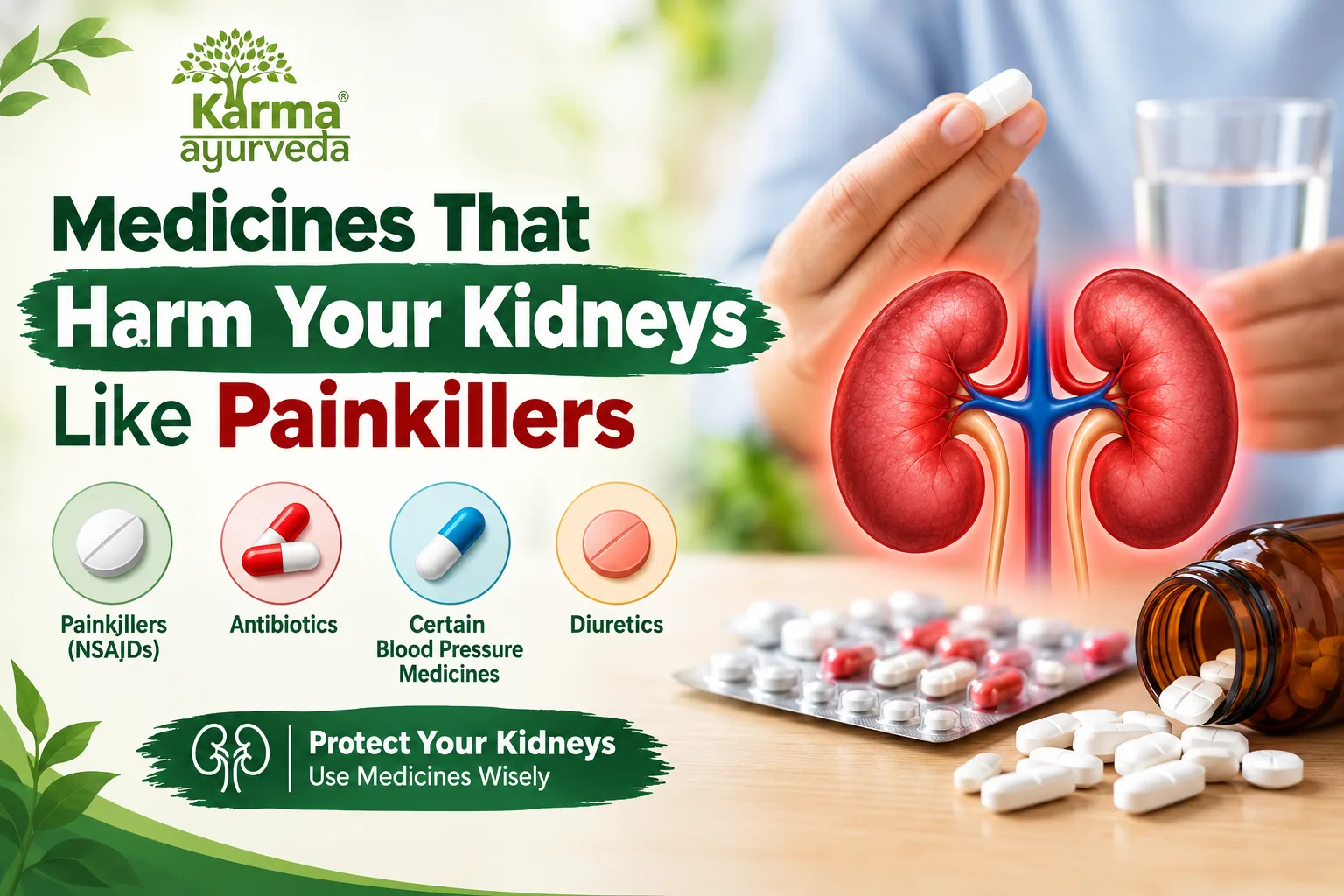

Some of the painkillers are indeed harmful, especially when they are taken often, in high doses or by people, whose filtration abilities are weakened. NSAIDs such as ibuprofen, naproxen, and diclofenac are among such drugs, whereas paracetamol (acetaminophen) causes fewer problems when it is taken in usual doses.
There are about 180 liters of liquid in the kidneys that they clean every day. Kidneys are always working and never complaining about it. However, suddenly you feel a headache, and you take a pill, another pill, and another. All of a sudden, your kidneys start working overtime. Let's see which medications are risky and how to protect your kidneys.
Why Do Some Medicines Hurt the Kidneys?
Your kidneys receive a constant blood supply in order to properly function. Many drugs reduce the blood flow, irritate renal filtering units, and leave crystals inside the kidneys. A person who takes the drug once in a blue moon will probably recover soon. However, problems occur in cases of long-term drug use, dehydration, old age, diabetes, hypertension, or CKD.
The Worst Painkillers for Kidneys
If you are looking for information on which pain relievers are worst for the kidneys, here are some examples of drugs that you should know about.
- Ibuprofen (Advil, Brufen)
- Naproxen (Aleve)
- Diclofenac and aspirin at high doses
- Combination painkillers containing several components (you cannot control the composition)
These are NSAIDs. They work by inhibiting the chemicals that help to keep blood vessels relaxed and open. Less blood flow leads to less filtering.
Medicines Worth More Attention
There are other substances in this list as well. So, talk to your doctor if you take any of them regularly:
Examples of those drugs are:
- Several antibiotics (e.g., aminoglycosides such as gentamicin)
- Some antifungals and antivirals
- Proton pump inhibitors (acid reflux medicines)
- Contrast media used in scans
- Lithium and some chemotherapeutic agents
- Herbal products with unknown ingredients (natural doesn't mean safe)
Do not stop taking prescribed medications because many of them are life-saving. The main point is observation, not panic.
Quick Comparison: Common Painkillers
|
Painkiller |
Kidney Risk |
Our Take |
|
Ibuprofen / Naproxen |
Increased Risk |
Occasional Use ok, not every day |
|
Diclofenac |
Higher |
Talk to your doctor first |
|
Paracetamol |
Lower at normal doses |
Polite guest, but don't overstay |
|
Topical gels |
Low |
Good alternative if there are no severe health issues. |
What does research say?
The evidence is rather similar. A study conducted by Perneger et al. in the New England Journal of Medicine (1994) stated that regular intake of painkillers, particularly combined painkillers, was connected with a higher rate of end-stage renal disease. A BMJ meta-analysis by Nderitu et al. (2013) dealt with NSAID use and found a raised risk of acute kidney injury. Moreover, an Annals of Internal Medicine study by Gooch et al. (2007) proved that NSAIDs in older patients are connected with faster kidney function loss.
Smarter Habits for Pain Relief
- Use the lowest dose for the shortest time
- Drink enough fluids unless your doctor has restricted it
- Do not mix many kinds of painkillers without asking a doctor
- Apply a heat pack, perform some gentle stretching exercises, and rest for muscle soreness
- Get your creatinine and eGFR checked if you use pain drugs regularly
Many people are looking for home remedies for kidney problems, hoping that they can cure their illness with a cup of herbal tea. A warm compress is nice, but magic tea to heal the kidney filter does not exist.
Ayurveda in Chat
For example, some people search for kidney disease Ayurvedic treatment to manage it. Thus, a doctor like Dr. Puneet Dhawan talks about individual treatment for each patient. Any natural treatment for kidney disease must be discussed with the nephrologist beforehand to avoid any interactions between herbs and medications or overload on the filters.
There are many patients looking for Karma Ayurveda kidney disease treatment for the complementary path to healing.
Key Takeaways
- NSAIDs are the most common painkillers and are known to cause stress to kidneys.
- Paracetamol is generally safer at recommended doses
- Risk goes up with age, dehydration, diabetes, and existing kidney problems
- Never self-medicate for long stretches
- Regular check-ups catch trouble early
📩 Ask a Kidney Expert (Free 10-Min Consultation)
FAQs
Are painkillers bad for kidneys?
Some are, especially NSAIDs taken often or in large doses.
Is paracetamol safe for the kidneys?
At normal doses, it’s usually the gentler choice, but your liver would still like you to follow the label.
Can one ibuprofen tablet damage my kidneys?
Rarely in healthy people, but repeated use is where trouble begins.
What are early signs of kidney trouble?
Swelling, fatigue, changes in urination, and foamy urine are common clues, though some people feel nothing at all.
Can kidney damage from medicines be reversed?
Sometimes, if caught early and the medicine is stopped, long-standing damage may not fully recover.
Disclaimer
This blog is for general education only and isn’t a substitute for professional medical advice, diagnosis, or treatment. Always consult your nephrologist or qualified healthcare provider before starting, changing, or stopping any medicine, supplement, or herbal remedy.