
Winter doesn't have to mean surviving on plain roti and a sad, lukewarm cup of tea. A sensible winter diet for someone with kidney disease really comes down to fresh, home-cooked food, keeping salt in check, appropriate portions of potassium and protein, and the right amount of fluid for that person's specific condition.
Here's the catch, though; there's no single magical winter menu that works for everyone. Your stage of kidney disease, your blood potassium, your phosphorus, how much urine you're passing, whether you have diabetes, your blood pressure, and whether you're on dialysis; all of it plays a part. In other words, your neighbour's "healthy winter diet" isn't necessarily yours to copy.
Why does winter diet actually need a closer look?
Cold weather has a way of pulling comfort food into the picture. Hot soups, pickles, namkeen, pakoras, instant noodles, endless cups of chai; all genuinely delicious, no argument there. But great for everyone with reduced kidney function? Not really, no.
When your kidneys aren't filtering as well as they should, your body can struggle more with sodium, potassium, phosphorus, protein waste, and fluid. The National Kidney Foundation points out that nutrition plans for CKD often need adjusting in these exact areas, depending on lab results and individual needs.
Which really means Diet in winter for kidney patients isn't about rigidly following some food chart; it's about making sensible calls, meal by meal.
What are some good winter foods, then?
There's genuinely a lot you can still enjoy. You don't need to eye every vegetable like it's plotting against you.
Depending on your own potassium and phosphorus needs, useful picks tend to include:
- Freshly cooked rice or suitable whole grains
- Homemade roti in the right portions
- Cauliflower, cabbage, capsicum, and whatever other vegetables suit your plan
- Apples, grapes, berries, or other fruit that fits your potassium limits
- Freshly prepared meals over packaged ones
- Reasonable portions of eggs, paneer, fish, or other proteins, based on what's actually prescribed for you
- Unsalted or low-sodium snacks, when that's part of your plan
So the Best foods in winter for kidney patients really aren't decided by the season alone. Portion size and your latest blood work matter just as much, if not more.
The 2024 KDIGO CKD guideline also leans toward a healthy, varied eating pattern: more plant-based food, fewer ultra-processed products.
Keep the salt shaker on a short leash
Winter food has a sneaky way of turning up the sodium. Pickles, papad, packaged soups, instant noodles, chips, namkeen, ready-made sauces; they all quietly push your sodium intake higher without you really noticing.
And too much sodium ramps up thirst, raises blood pressure, and adds to fluid retention.
Instead, try leaning on:
- Garlic, ginger, coriander, and other spices for flavour
- Lemon or vinegar where it fits
- Homemade soup instead of the instant packet kind
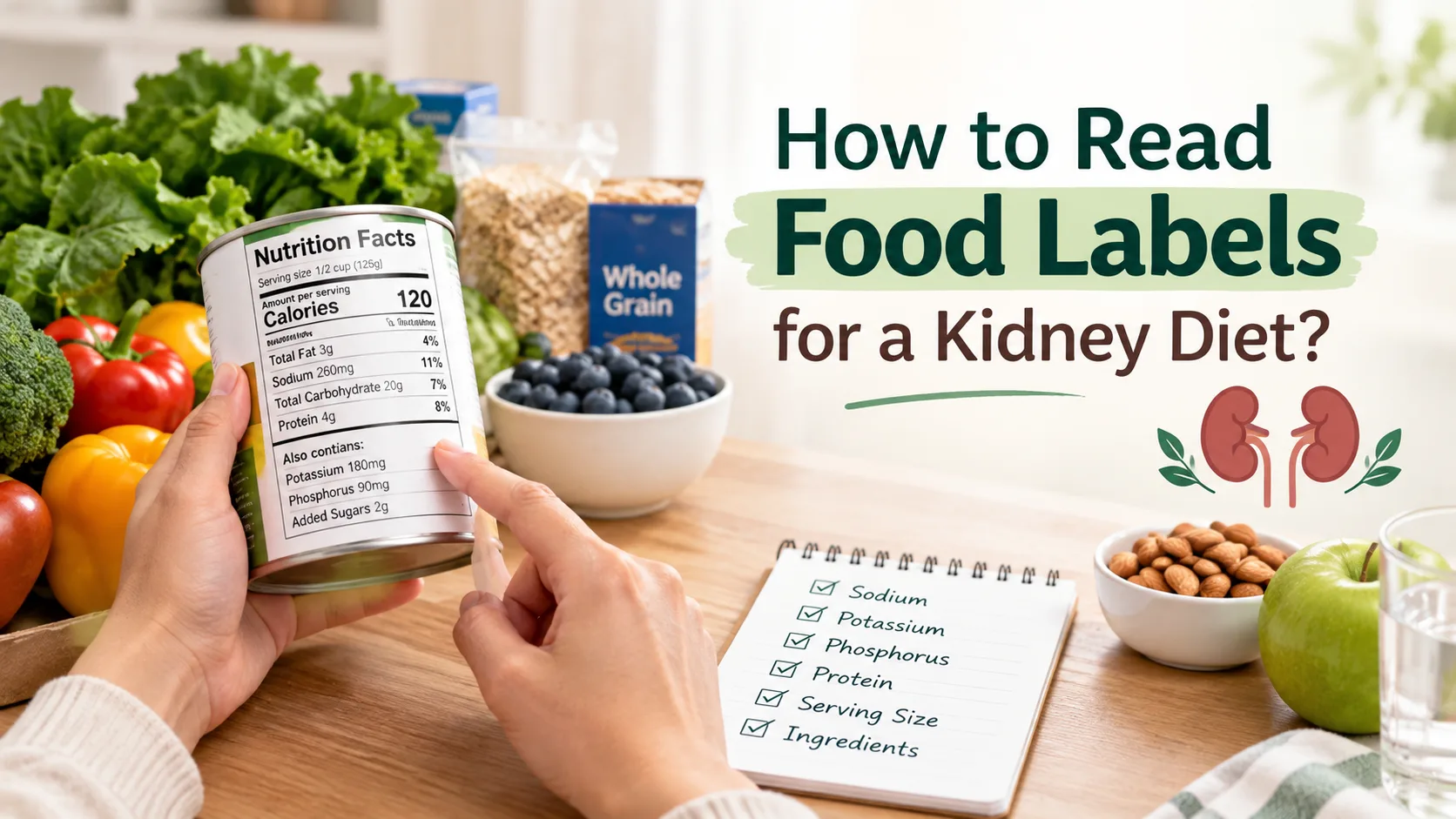
- Actually reading labels before buying packaged snacks
- "No added salt" or lower-sodium options when they're available
One thing worth flagging clearly: don't just switch over to potassium-based salt substitutes on your own. Some of these contain potassium chloride, which can be a real problem if your blood potassium is already running high.
What's worth cutting back on this winter?
The Worst foods for kidney patients in winter are generally the ones loading you up with excess sodium, phosphorus additives, potassium, or fluid you didn't account for.
|
Winter favourite |
What to watch for |
|
Pickles & papad |
Usually very salty |
|
Packaged soup |
Sodium adds up fast |
|
Namkeen |
Salt plus processed ingredients |
|
Instant noodles |
Typically high in sodium |
|
Big mugs of soup |
Still counts as fluid |
|
Processed meats |
Sodium and phosphorus additives |
That said, nothing on this list is permanently off-limits for everyone. What actually fits comes down to your own diet plan.
Don't forget about potassium
Potassium is one of those things people sometimes start avoiding for no real reason, and that's not particularly helpful either.
Some people with CKD genuinely need to restrict potassium, while others don't need to at all. Blood potassium levels, medications, and how well your kidneys are working all factor into that decision.
So don't build yourself a giant "never eat this again" list based on something you read online at 2 a.m. Your actual blood report gets a say here too.
And what about staying hydrated in winter?
Cold weather makes it easy to forget about fluids, mostly because you're not sweating the way you would in summer.
But "just drink as much water as you can" isn't good advice for everyone with more advanced kidney disease. If you have reduced urine output, noticeable swelling, heart issues, or you're on dialysis, you likely have a prescribed fluid limit to stick to.
On the flip side, people in earlier stages of CKD might not need any fluid restriction at all.
So it's really about following whatever target your healthcare team has actually given you, rather than blindly chasing the famous "eight glasses a day" rule.
Can Ayurveda be part of kidney care?
Some people do explore Kidney disease Ayurvedic treatment alongside their regular medical care. If you're thinking about herbs, formulations, or dietary tweaks, it's worth running them past your doctor first; some herbal products contain minerals or compounds that may not sit well with reduced kidney function or interact with your existing medications.
And to be clear, Ayurvedic care shouldn't ever mean stopping prescribed treatment or dialysis.
And for anyone dealing specifically with stones, herbal suggestions really need to be based on the type of stone, kidney function, and other individual factors. Googling the best herbs for kidney stones in Ayurveda and grabbing whatever pops up first isn't exactly a smart winter habit.
What does the research actually say?
The evidence behind kidney-friendly eating is a lot stronger than the idea of any single "superfood" fixing everything.
The KDIGO 2024 Clinical Practice Guideline for CKD recommends personalised dietary management, with an emphasis on healthy eating patterns, appropriate protein intake, and cutting back on sodium.
The National Kidney Foundation's own guidance says much the same thing; sodium, potassium, phosphorus, protein, and fluid are all nutrients that may need individual adjustment based on your situation.
Which is exactly why a natural treatment for kidney disease shouldn't be read as "natural food alone can reverse any stage of CKD." Nutrition genuinely supports disease management, but it's just one part of the bigger picture.
A simple winter routine to follow
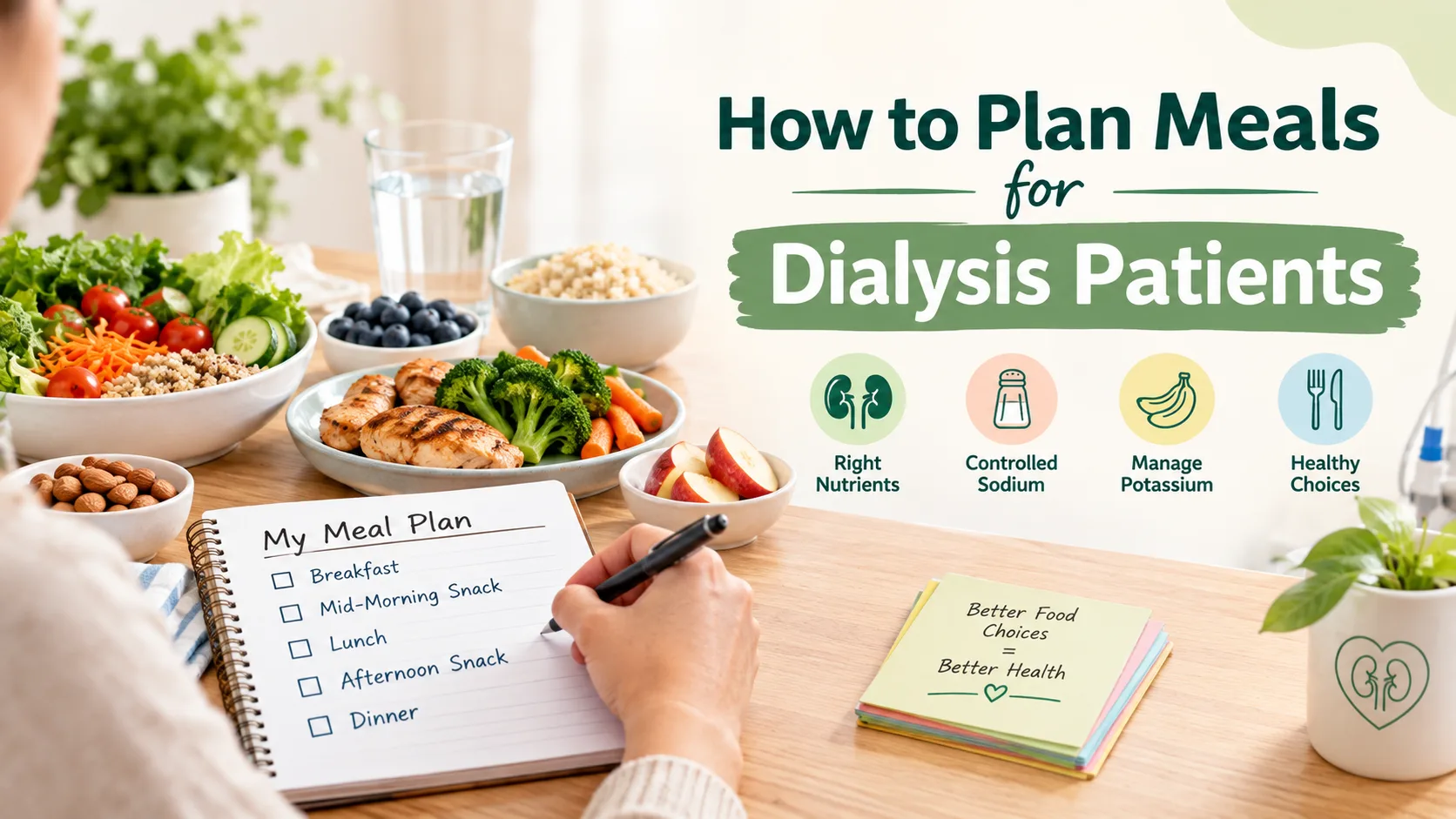
A practical day might look something like this:
Breakfast: A suitable homemade breakfast, with the right protein portion for you.
Mid-morning: A fruit that fits your potassium plan.
Lunch: Roti or rice, along with vegetables that suit you and your prescribed protein portion.
Evening: A low-sodium homemade snack instead of packaged namkeen.
Dinner: A lighter home-cooked meal, portioned according to your own plan.
Fluids: Whatever amount your healthcare team has actually recommended.
No fancy "detox tea" needed anywhere in there. Your kidneys have never once asked for one.
Key Takeaways
Winter doesn't call for a completely different diet; just some sensible adjustments.
- Keep sodium low, especially from packaged and processed food.
- Potassium restriction isn't automatically necessary for every CKD patient.
- Protein needs vary a lot, especially between people with CKD and those on dialysis.
- Soups and other liquid-ish foods count toward fluid intake if you're on a fluid restriction.
- Check with a kidney dietitian or your doctor before making any major dietary changes.
- Don't start on herbal products just because the label says "natural."
Conclusion
A kidney-friendly winter diet doesn't have to be boring, expensive, or built around a sad bowl of boiled vegetables. Fresh, home-cooked meals, sensible portions, cutting back on processed food, and paying attention to your own lab results can make winter eating a lot more manageable.
The smartest approach is always a personalized one; your body isn't following some generic diet chart off the internet, and honestly, neither should you.
📩 Ask a Kidney Expert (Free 10-Min Consultation)
Frequently Asked Questions
Can kidney patients eat winter vegetables?
Yes, but what's right and how much depends on your potassium level, disease stage, and your individual dietary plan.
Is soup good for people with kidney disease?
Homemade, low-sodium soup can work well within some meal plans; just remember it still counts toward fluid intake if you're on a fluid restriction.
Should kidney patients drink more water in winter?
Not necessarily; fluid needs really depend on kidney function, urine output, dialysis status, and what your healthcare team recommends specifically for you.
Can kidney patients eat oranges in winter?
Possibly need to limit them if your potassium is running high, so it's worth checking your blood potassium and your individual diet plan first.
Is herbal treatment safe for kidney disease?
Not automatically; herbs can interact with medications or contain compounds that aren't ideal for reduced kidney function, so it's worth discussing with your healthcare professional before starting anything.
Disclaimer
This article is meant for general educational purposes and isn't a substitute for medical advice. Dietary needs vary depending on kidney function, lab results, medications, diabetes, heart health, and dialysis status. Talk to an expert like Dr. Puneet Dhawan or a qualified kidney dietitian before changing your diet, fluid intake, medications, or trying herbal supplements.