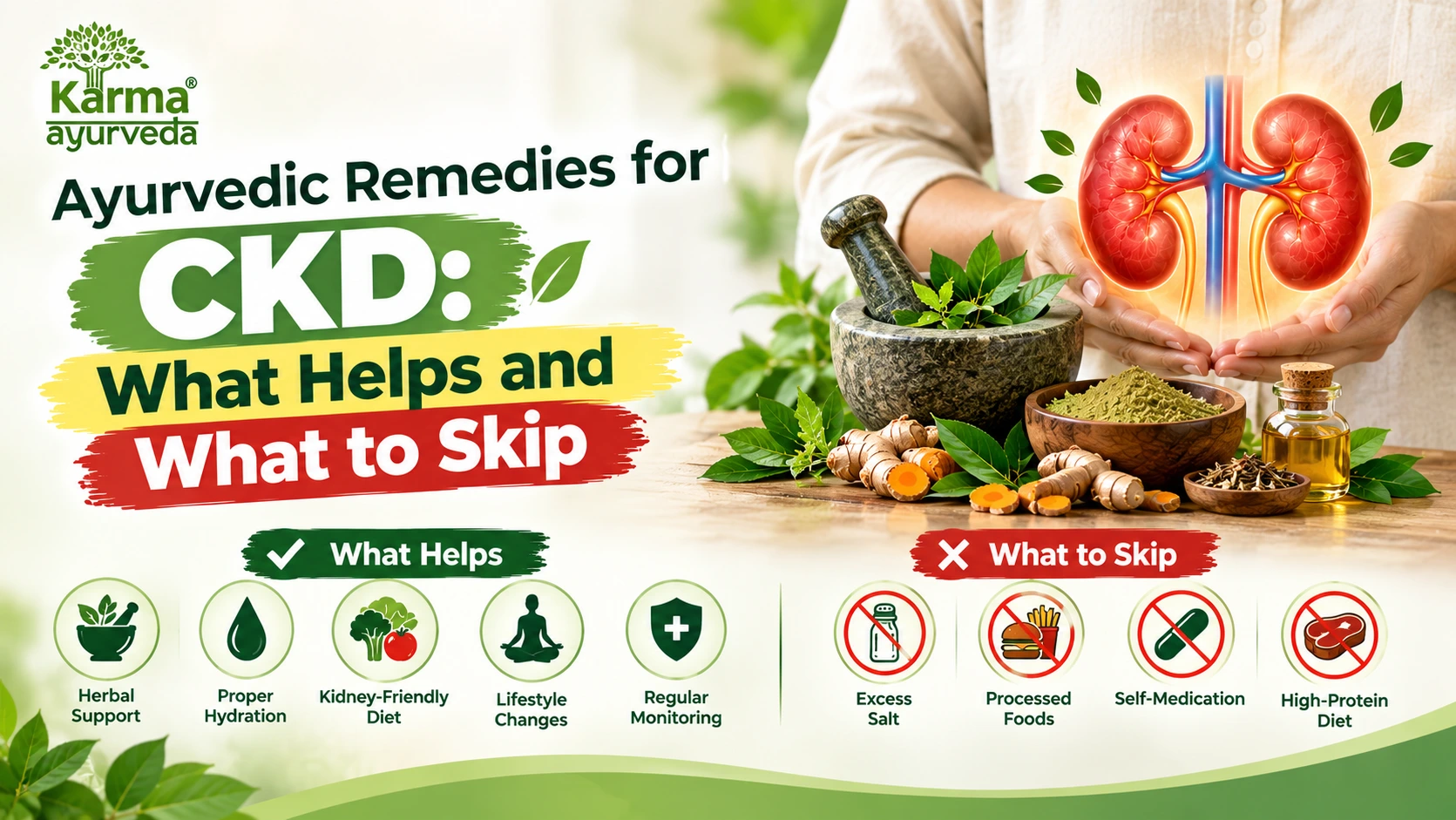

Natural kidney disease treatment includes: diet changes, proper fluid intake, physical activity, stress management, and some specific herbs to support your health. It's an additional treatment that helps slow the wear and tear but can't replace dialysis, medicines, and regular lab tests.
Kidneys are hardworking stagehands of your body, keeping everything working backstage. When they start struggling with their work, you can be tempted to find a miracle cure on the internet. Let us slow down, drink some water, and understand what works for natural treatment of kidney disease, what's just marketing tricks, and where you need to be cautious to avoid problems.
The Foundation: Everyday Habits That Count
First, let us consider general issues about this plant.
- Control the levels of blood pressure and blood sugar since they are the main reasons for developing CKD.
- Eat fresh meals cooked at home, with less salt and fewer processed snacks
- Do not overeat protein, as it can be tough for your kidneys
- Stay hydrated (unless your doctor has prescribed a fluid restriction).
- Exercise at least 30 minutes each day
- Quit smoking and limit the consumption of alcohol
- Do not take painkillers often (e.g., ibuprofen)
None of this looks glamorous. However, it is the plain oatmeal of health: boring, reliable, and surprisingly effective.
Diet: What to Put on Your Plate
Food is probably one of the most important natural therapies which you can have. Eating fresh vegetables, fruits, whole grains, and healthy fats is useful in general, although in later stages you may have issues with potassium and phosphorus, so you should talk to your dietitian about the banana smoothie you love. Dietary recommendations for CKD are very individual and are based on your lab tests.
Quick Comparison: Natural Support vs Medical Care
|
Medical Treatment |
Natural Support |
|
|
Main Job |
Slows the progression, treats the complications |
Supports the patient in diet, lifestyle, and well-being |
|
Evidence |
Large, reliable studies |
Interesting but needs more confirmation |
|
Works alone? |
Yes, it's the backbone |
Not in advanced disease |
|
Vibe |
The head coach |
The happy team captain |
What does science say about it?
Science supports the basic facts about the modification of diet in renal disease, blood pressure control, and the use of herbs in this situation. For instance, there was a clinical trial conducted by the Modification of Diet in Renal Disease (MDRD) Study, which appeared in the New England Journal of Medicine in 1994. Moreover, the SPRINT trial, conducted by the same journal in 2015, discovered a strong correlation between the reduction of blood pressure and fewer cardiovascular events, which resulted in a secondary analysis of this effect on people with CKD.
At the same time, a review article published in the Journal of the American Society of Nephrology (2017) by Cheung and colleagues discussed this issue. In addition, in 2013, an article was published in Evidence-Based Complementary and Alternative Medicine by Kim and colleagues. It demonstrated the effectiveness of some medicinal herbs on patients with kidney problems but stressed that more clinical trials were needed. In brief, habits are proven and effective, but herbs are still being tested.
Herbs: Handle with Care
The most popular herbs for kidney health include punarnava, gokshura, dandelion, and turmeric. These herbs help with fluid balance and urinary comfort. However, be careful with the use of these herbs because some precautions need to be taken.
- Aristolochia has caused serious renal damage (Debelle and colleagues, Kidney International, 2008).
- Large amounts of licorice can interfere with blood pressure regulation and the potassium levels of a person
- Unlabelled herbal powders may contain heavy metals or steroids.
- Weakened filters clear herbs slowly, so doses matter
Natural and harmless are not identical twins; they are, in fact, very different concepts.
Role of Ayurveda
Lots of people research kidney disease Ayurvedic treatment for individual recommendations concerning diet and lifestyle. Some experts, such as Dr. Puneet Dhawan, mention the individual approach, which seems logical as every person has his own story of kidney illness. Nevertheless, consulting with the nephrologist before starting any kind of treatment is essential, especially in case of changes in potassium, creatinine, or eGFR numbers.
Stress, Sleep and the Things That We Avoid
Your body won't heal itself after four hours of sleep and a stress diet of tea and worry. Try the following:
- Regular bedtime (yes, even on weekends)
- Breathing exercises
- Soft yoga and stretching exercises
- Talking to your relatives or friends, because carrying it all alone becomes very tiring.
Final Thoughts
In general, there are no secrets for treating CKD naturally, and it should consist of lifestyle changes, certain food choices, and a good relationship with your physician. If you want a complementary perspective, some people look into Karma Ayurveda for CKD treatment alongside regular care, always with their doctor in the loop.
Key Takeaways
- Natural treatment works best as support, not a substitute
- Blood pressure, blood sugar, and diet are the big levers
- Herbs show promise but need caution and medical approval
- Regular lab tests keep you ahead of surprises
- Sleep, stress, and movement matter more than we admit
📩 Ask a Kidney Expert (Free 10-Min Consultation)
FAQs
Can CKD be treated naturally?
Natural methods can support and slow things down, but they can’t fully replace medical care.
What is the best natural treatment for kidney disease?
Blood pressure control, a balanced low-salt diet, and regular activity lead the pack.
Are herbal remedies safe for kidney patients?
Some are, some aren’t, so ask your nephrologist before you sip or swallow.
Can kidney damage be reversed naturally?
Early or sudden injury may improve, but long-standing damage usually can’t be reversed, only managed.
Does Ayurveda help in CKD?
It may support diet and lifestyle, as long as it runs alongside your regular treatment.
Disclaimer
This blog is for general education only and isn’t a substitute for professional medical advice, diagnosis, or treatment. Always consult your nephrologist or qualified healthcare provider before starting, changing, or stopping any herb, supplement, medicine, or treatment plan.