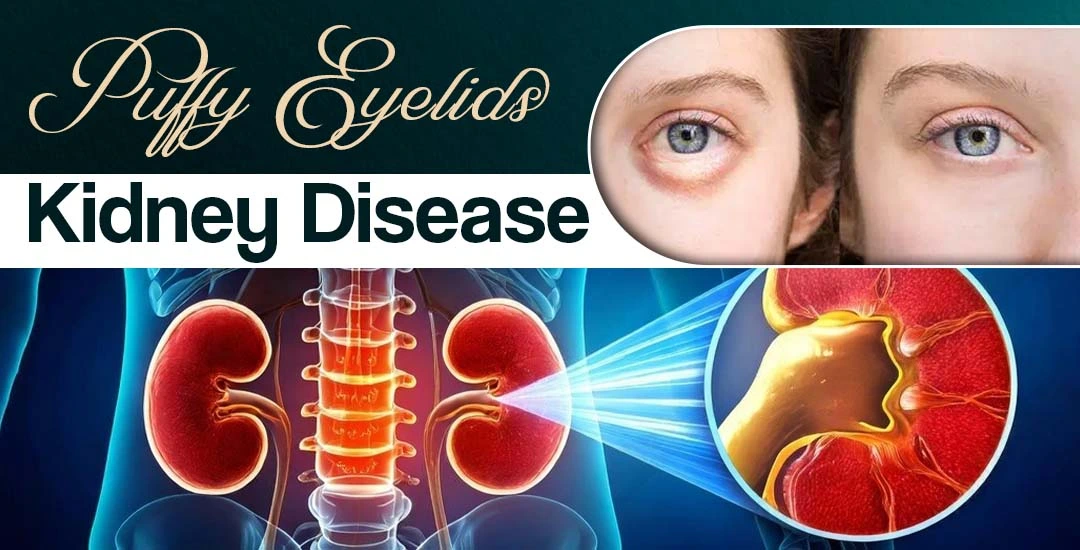

Let’s start with a very relatable morning moment. You wake up, stumble to the mirror, and boom, your eyelids look like they had an all-night party without you. Puffy. Swollen. Slightly dramatic.
Your first thought? “I didn’t sleep well.”
Second thought? “Too much salt last night.”
Third thought? “Maybe I cried in my sleep?”
All fair guesses. But here’s the part most people don’t think about: sometimes puffy eyelids can be an early sign that your kidneys are not very happy. Yes, puffy eyelids kidney disease do share a connection.
Before panic sets in, take a deep breath. Puffy eyelids do not automatically mean kidney disease. But when this puffiness shows up often, sticks around, or comes with other symptoms, it deserves attention. Your face, especially around the eyes, can quietly reveal what’s happening inside your body. And kidneys? They’re excellent at causing silent drama.
Why Do Eyelids Get Puffy Anyway?
Eyelids puff up easily because the skin there is thin and sensitive. Any extra fluid in the body loves to settle there first, like an unwanted guest who arrives early and refuses to leave. Common reasons include:
-
Lack of sleep
-
Allergies
-
Crying
-
Eating salty food
-
Dehydration
Usually, the puffiness goes away after a few hours or a good night’s sleep. End of story.
But when it doesn’t? That’s when the plot thickens.
Does Kidney Problems Cause Swollen Eyes?
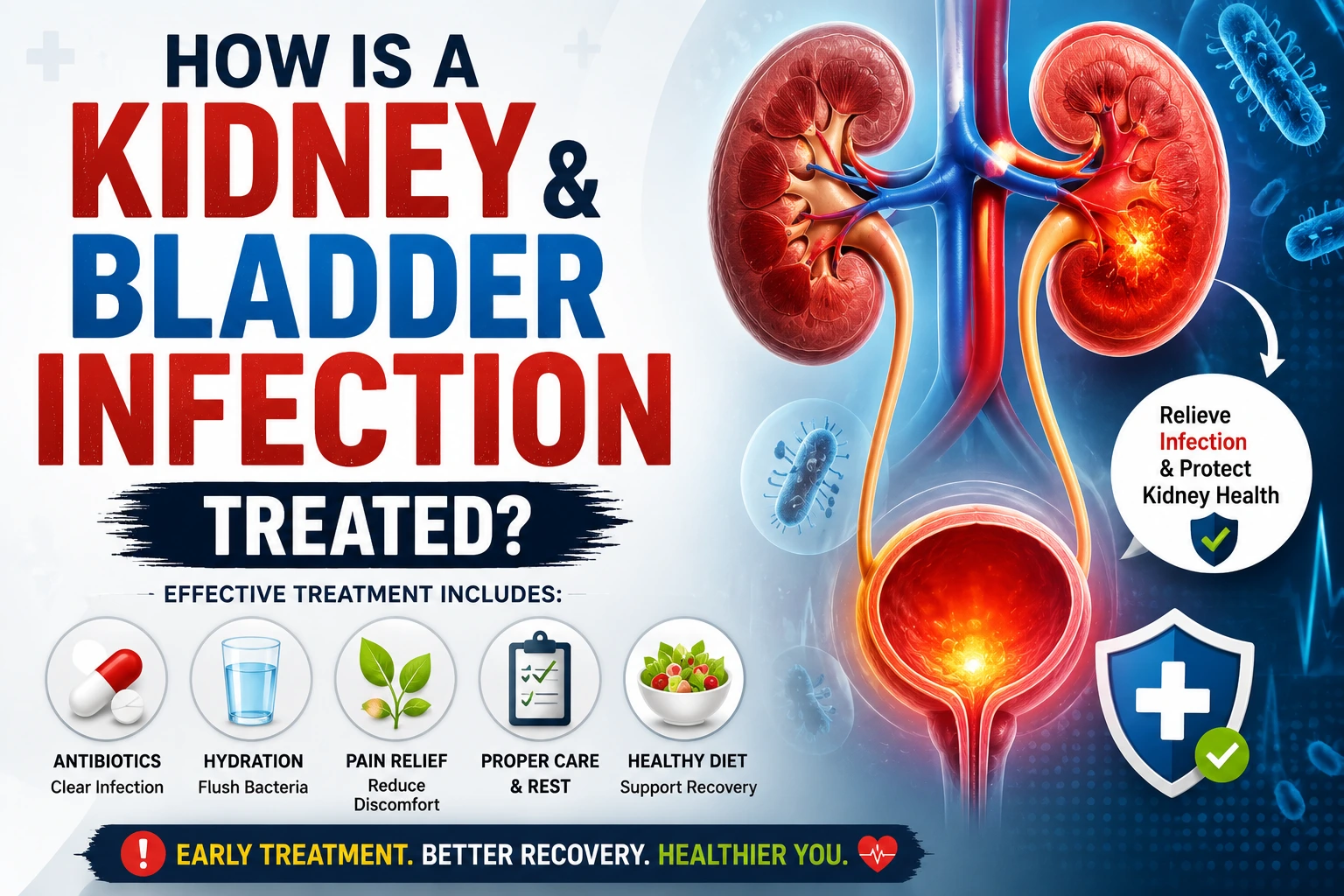
Yes. Your kidneys serve as the body's cleanup crew, filtering waste from the bloodstream, removing excess fluid, and maintaining the mineral balance in your body. When healthy, the kidneys operate seamlessly. However, as kidney function decreases, fluid and protein build up in your body instead of being excreted properly. This extra fluid doesn’t announce itself loudly. It quietly collects, often around the eyes first.
Why the eyes?
Because gravity and delicate skin make eyelids the perfect landing zone for fluid buildup, especially after lying down all night. So, if you notice:
-
Puffiness around the eyes that appears almost every morning
-
Swelling that doesn’t go away easily
-
Puffiness that feels soft or “water-filled.”
…it might be your kidneys whispering, “Hey, we need some help here.”
Puffy Eyelids Kidney Disease
Here’s the tricky thing about kidney disease: it’s sneaky. In the early stages, symptoms are mild, confusing, or easy to ignore. Puffy eyelids can be one of the first visible signs that something isn’t right.
Fluid Retention, Protein Loss in Urine, and Altered Salt Balance may all occur due to the early stage of renal disease. When proteinuria occurs (leaking protein into the urine), it causes fluid to move from the vasculature into the interstitium, resulting in edema formation. And yes, your eyelids notice it first.
This puffiness often looks worse in the morning and improves slightly during the day. Many people brush it off for months, blaming age, stress, or screen time. Meanwhile, the kidneys keep struggling silently.
“But My Feet Aren’t Swollen…”
That’s actually common in early stages. Swelling in the feet and ankles usually shows up later.
Eyelid puffiness often comes first, quietly waving a tiny red flag while the rest of the body looks normal.
Think of it as the kidney’s version of a gentle nudge instead of a loud alarm.
What Diseases Cause Swollen Eyelids other than Kidney Diseases?
Lots of things! Allergies, infections, thyroid issues, or even just too much salt or sleep can make your eyelids puffy.
What Causes Swelling under One Eye?
Swelling under one eye usually comes from things like a bug bite, an infection (like a stye or cellulitis), an injury, or sometimes a blocked tear duct.
When Should You Take Puffy Eyelids Kidney Disease Seriously?
Let’s be practical. You don’t need to run tests every time you wake up with sleepy eyes. However, it is essential to notice when you have puffy eyes:
-
Puffs appear frequently; not just now and then (i.e., but rather regularly);
-
Puffs are primarily located on the bottom half of the eye(s), particularly in the early morning before showering (i.e., just before getting out of bed);
-
Puffs do not disappear completely throughout the day;
-
Puffs typically coincide with feelings of fatigue or low energy.
-
Puffs are associated with changes in urination (e.g., cloudy/agitated urine, or frequent nighttime urination).
If you experience puffy eyelids as part of your daily activities with no known cause, it signals that you should take action to address it rather than ignoring it; do not let it be a debilitating factor.
Other Subtle Kidney Signs That Like to Travel with Puffy Eyelids
Kidney problems rarely show up alone. They bring friends. You may also notice:
-
Feeling tired even after resting
-
Mild facial swelling beyond the eyes
-
Dry or itchy skin
-
Loss of appetite
-
Difficulty concentrating
-
Foamy urine (a big clue many people miss)
Individually, these symptoms seem harmless. Together, they form a pattern worth checking.
Why Early Detection Matters
Here’s the good news, and yes, there is good news. Kidney disease progresses slowly, especially when caught early. When identified in early stages:
-
Damage progression can be corrected to a certain extent.
-
Lifestyle changes can make a real difference
Does a Puffy Face Mean Kidney Problems?
No. Let’s clear this up so no one panics mid-paragraph. Puffy face and eyelids can still be caused by:
-
Seasonal allergies
-
Sinus issues
-
Thyroid problems
-
Eye strain
-
Poor sleep
That’s why self-diagnosis is a terrible idea. But self-awareness? That’s powerful. The goal isn’t fear; it’s timely action.
What Should You Do If You Notice Persistent Puffiness?
First: don’t Google yourself into anxiety. Second: don’t ignore it either. A simple medical checkup can include:
-
Basic urine tests
-
Blood tests for kidney function
-
Blood pressure measurement
These tests are quick, routine, and far less scary than pretending nothing is happening.
Small Lifestyle Habits That Support Kidney Health
Even before tests, you can start treating your kidneys a little kinder. They do a lot for you, after all. Simple habits help more than you think:
-
Drink enough water (not extreme, just adequate)
-
Cut back on excess salt
-
Avoid unnecessary painkillers
-
Maintain healthy blood sugar and blood pressure
-
Sleep well; yes, your kidneys like rest too
No fancy rules. Just consistency.
Final Thoughts: Your Eyes Might Be Telling the Truth
Puffy eyelids are easy to dismiss because they feel cosmetic, not medical. But sometimes, your body speaks in subtle ways before it starts shouting. Your kidneys don’t send pain signals early. They send hints, such as eyelid swelling, kidney disease can be one of them.
And one of those hints might be staring back at you from the mirror every morning.
So next time you notice persistent puffiness around your eyes, don’t just blame the pillow or last night’s snacks. Pause. Observe. Take it seriously, but calmly.
FAQ
What diseases cause swollen eyelids?
Allergies, sinus infection, eye infection, thyroid problems, kidney disease, and sometimes heart or liver issues.
Does a puffy face mean kidney problems?
Sometimes, yes; especially morning puffiness around the eyes. But allergies and lack of sleep can also do this.
What do kidney disease eyes look like?
Often puffy eyelids, swelling under the eyes, and a tired or dull appearance.
Do kidney problems affect your eyes?
Yes. Kidney issues can cause eye swelling, dryness, blurry vision, or eye fatigue.
What organ causes eye swelling?
Most commonly, the kidneys, but the thyroid, heart, and liver can also be involved.
What do eyes look like with kidney problems?
Swollen eyelids (especially in the morning), dark circles, and persistent puffiness.
What are the symptoms of kidney failure in the eyes?
Severe puffiness, fluid retention around eyes, blurred vision, and eye dryness.