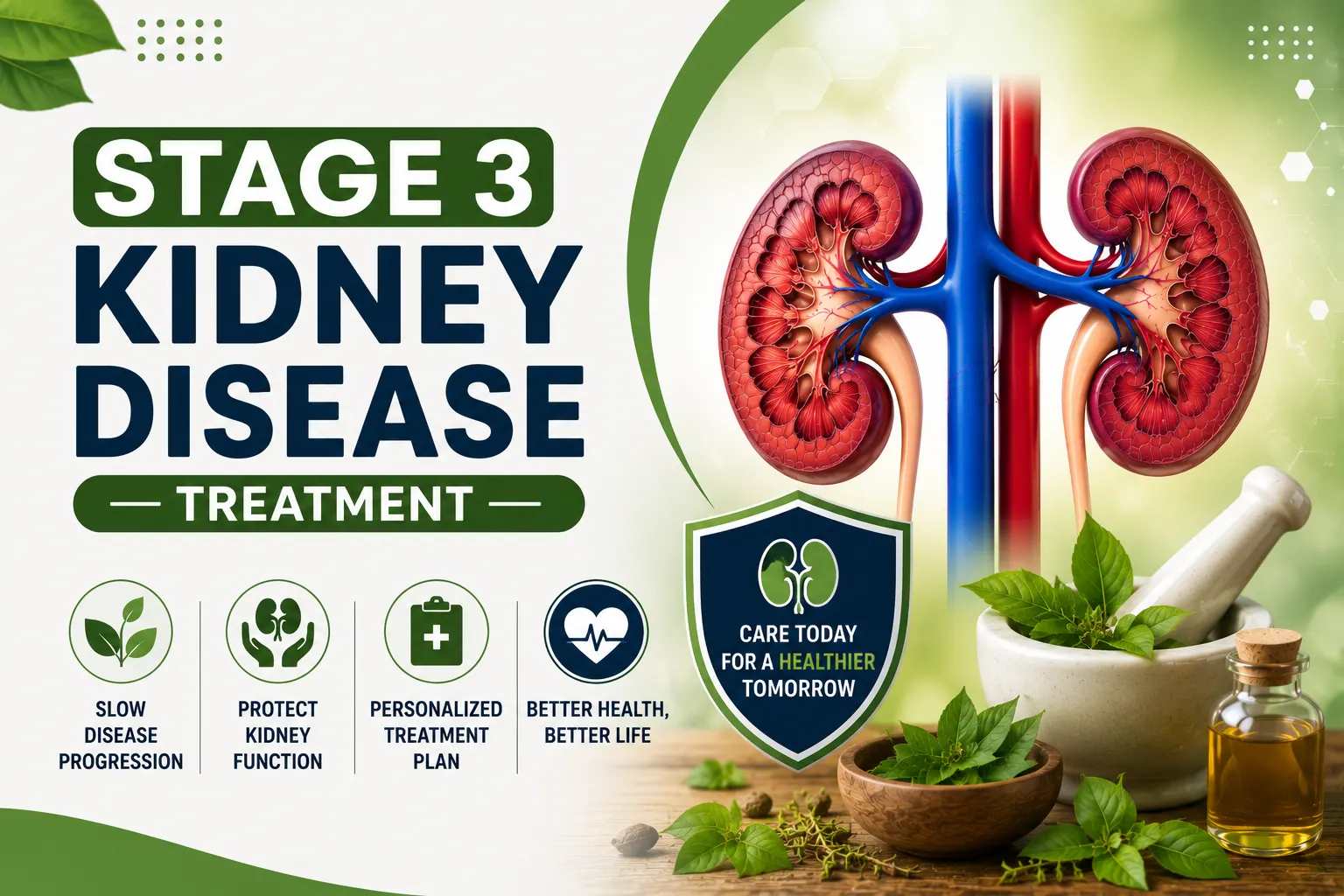

So, you’ve been told you have Stage 3 kidney disease. Take a deep breath, grab a coffee (or maybe some herbal tea, given the circumstances), and let’s chat. The short answer to what you need to know is that stage 3 kidney disease treatment is all about slowing things down and protecting the function you still have, rather than looking for a magical "undo" button.
Getting this diagnosis feels a bit like being told your car needs a tune-up just as you’re starting a road trip. It’s annoying, it’s unexpected, and it makes you look at the dashboard a lot differently. But here is the good news: Stage 3 is exactly that, a checkpoint. It’s not the end of the road; it’s a sign that your kidneys are working a bit harder than they used to, and it’s time to give them a little extra love.
Book Free Consultation
Understanding the "Mid-Life Crisis" of Your Kidneys
Think of your kidneys as the city’s water filtration plant. When they’re working perfectly, you don’t even notice them. But in Stage 3, the filters are starting to clog up a bit. Doctors usually divide this into CKD stage 3a and 3b, depending on exactly how much filtration power (GFR) is left.
It sounds scary, but remember that the body is remarkably resilient. According to a study published in the Journal of the American Society of Nephrology, lifestyle interventions at this stage can significantly stabilize kidney function. It’s basically your body’s way of saying, "Hey, stop throwing junk at me and give me a break!"
The Game Plan: How to Manage Your Health
When it comes to stage 3 kidney disease treatment, you aren't fighting a war; you are entering a partnership with your body. Here is what that usually looks like:
-
Dietary Adjustments: You might need to watch your sodium and protein intake. No, you don't have to live on cardboard, but you might need to swap that salty takeout for some fresh, kidney-friendly meals.
-
Blood Pressure Control: Your kidneys are basically giant high-pressure hoses. If your blood pressure is high, you're stressing the pipes. Keeping it steady is a huge win for your renal health.
-
Hydration: Drink enough water, but don't overdo it. Think of it as Goldilocks; not too much, not too little, just right.
-
Medication Management: Always talk to your kidney disease doctor before popping pills, even the over-the-counter stuff. Some painkillers are basically kryptonite to kidneys.
Book Free Consultation
Quick Comparison: The Old Way vs. The New Way
|
Old Mindset |
The "Stage 3" Reality |
|
"I'll just ignore it and hope it goes away." |
"I'm a pro at reading food labels now." |
|
"My kidneys are failing!" |
"My kidneys are just taking a nap; I'll help them wake up." |
|
"Only doctors can fix this." |
"I'm the captain of this ship now." |
Book Free Consultation
Can You Really Improve Kidney Function?
People always ask, "Can I actually improve kidney function?" While you can't necessarily grow new, pristine kidneys, you can absolutely maximize the efficiency of what you have. Consistent CKD treatment plans that focus on controlling blood sugar and blood pressure have been shown in data from the Chronic Kidney Disease Prognosis Consortium to prevent rapid declines in function.
Honestly, finding the best treatment for stage 3 kidney disease is less about finding a miracle drug and more about finding a rhythm that works for your life. If you hate kale, don't eat it; find another veggie you actually like!
Key Takeaways
-
Knowledge is power: Understanding your GFR and lab numbers makes the whole thing less mysterious.
-
Salt is the enemy: Seriously, salt is the kidney’s worst frenemy.
-
Move your body: Exercise is great, but don't overdo it until you've checked with your team.
-
Stay connected: Keep regular appointments with your medical team; they’re there to help you win, not judge your snack choices.
Book Free Consultation
Frequently Asked Questions
Is Stage 3 kidney disease reversible?
While you can’t usually reverse the damage already done, you can absolutely stabilize your function and stop it from getting worse with the right lifestyle shifts.
What is the best way to protect my kidneys now?
Managing your blood pressure and blood sugar levels consistently is essentially the gold standard for protecting what you've got.
Can I still live a normal life?
Absolutely, most people with Stage 3 lead full, active, and normal lives by just making a few smart adjustments.
How often should I see my doctor?
Typically, every 3 to 6 months, but your specific needs might change depending on how your labs look, so follow your specialist’s lead.
Disclaimer: This content is for educational and entertainment purposes only and should not replace professional medical advice. Always consult with a qualified healthcare provider regarding your specific health condition or before starting any new treatment plan. Please don't treat your kidneys based on a blog post.