
Treatment for Foamy Urine
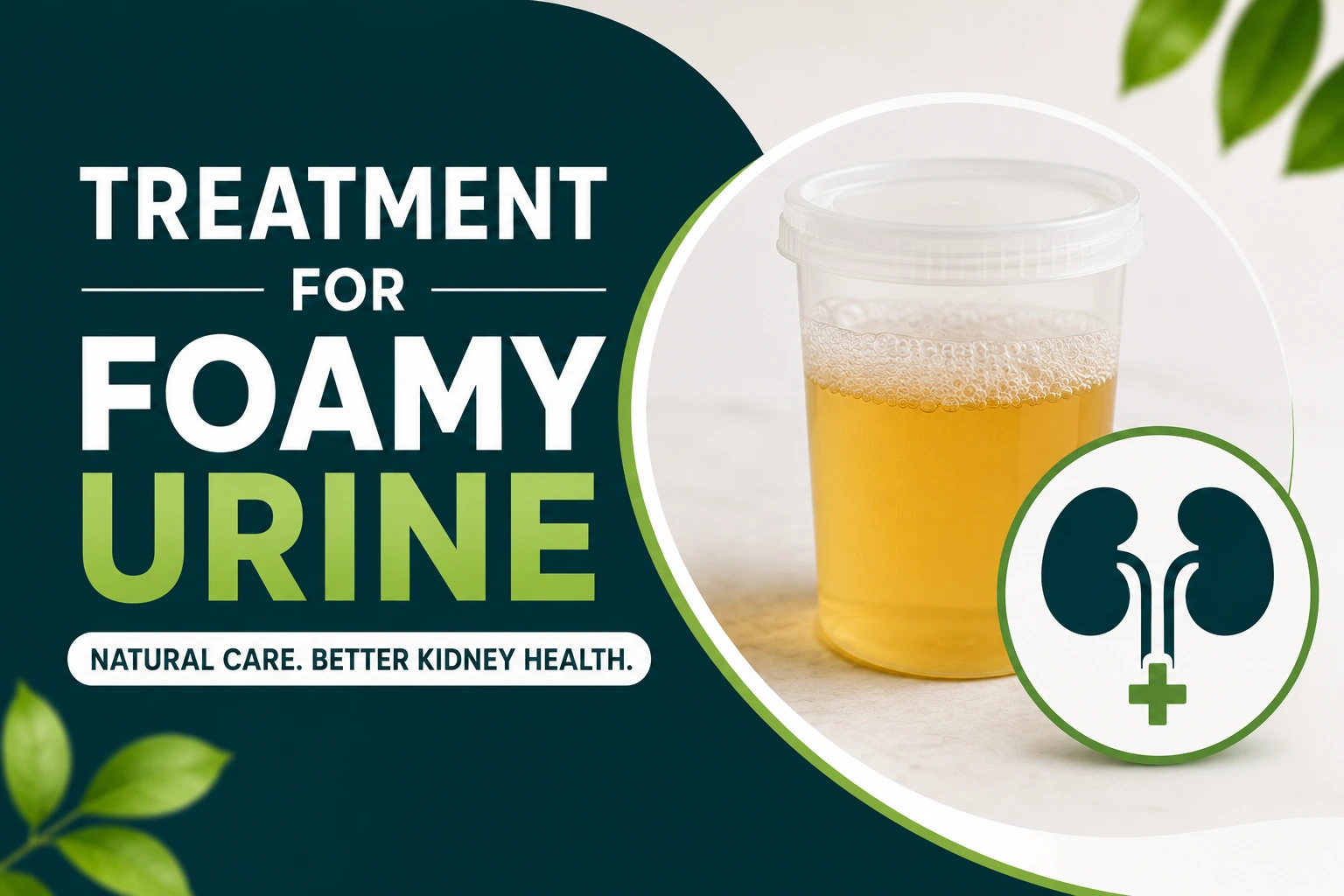
Sometimes, foamy urine happens because you peed with the force of a firefighter's hose after holding it for hours during a road trip across Texas. Other times, dehydration, stress, exercise, or too much coffee can create temporary bubbles. But if your urine keeps looking like a freshly poured beer every single day, your body may be trying to wave a tiny warning flag.
In the United States, kidney disease affects millions of adults, and many people don’t notice symptoms early. Foamy urine can sometimes be one of the first clues. So let’s break this down in simple language without turning this into a boring medical textbook that puts you to sleep faster than airport announcements.
Foamy Urine Causes
Foamy urine has many possible causes, including harmless ones.
Common Causes
-
Dehydration
-
Fast urination
-
Stress
-
Fever
-
Intense exercise
-
Urinary tract infections
Medical Causes
-
Proteinuria
-
Kidney disease
-
Diabetes
-
High blood pressure
-
Lupus
-
Nephrotic syndrome
The National Kidney Foundation explains that damaged kidney filters may allow albumin protein to leak into urine, creating foam.
Meanwhile, Johns Hopkins Medicine notes that proteinuria is often connected to kidney filter damage.
And no, every bubble does not equal disaster.
Even Reddit users with kidney conditions point out that urine force and hydration can affect foam appearance.
The internet may occasionally be chaotic, but once in a while, strangers arguing about pee can actually be educational.
Foamy Urine Treatment: Warning Signs You Shouldn’t Ignore
Okay, here’s where things get serious.
Foamy urine alone does not automatically mean kidney disease. But foamy urine PLUS other symptoms? That deserves attention.
Watch for:
-
Puffiness around the eyes
-
Fatigue
-
Frequent urination
-
High blood pressure
-
Nausea
-
Shortness of breath
According to the Cleveland Clinic, ongoing foamy urine may be associated with chronic kidney disease, diabetes, or lupus.
Here’s the annoying thing about kidneys:
They don’t usually scream when something is wrong.
They whisper.
Very politely.
Like:
“Hey… maybe don’t ignore that weird foamy pee for eight months.”
A study published in the Chronic Kidney Disease Research found that early detection significantly improves long-term kidney outcomes.
So yes, your toilet bowl may actually be giving useful medical feedback. Weird world.
Treatment for Foamy Urine
The foamy urine Treatment depends entirely on the cause. Think of foamy urine like a smoke alarm. The goal isn’t just to silence the alarm; it’s to figure out whether someone burned toast or the kitchen is actually on fire.
Common treatments include:
1. Drinking More Water
Sometimes your urine is concentrated because you’re dehydrated. America runs on coffee, energy drinks, and “I’ll drink water later,” so dehydration is incredibly common.
If the foam disappears after proper hydration, your kidneys may simply have wanted a water break.
2. Managing Diabetes and Blood Pressure
High blood sugar and high blood pressure are two of the biggest causes of kidney damage in the United States.
3. Medication
Doctors may prescribe:
-
ACE inhibitors
-
ARBs
-
Blood pressure medicines
-
Diabetes medications
These medicines help protect kidney function and reduce protein in urine.
4. Dietary Changes
Your doctor may recommend:
-
Less sodium
-
Reduced processed foods
-
Better hydration
-
Controlled protein intake
Translation: maybe don’t eat drive-thru burgers six times a week while pretending fries are a vegetable.
5. Kidney Evaluation
Persistent foam may require:
-
Urinalysis
-
Blood tests
-
Kidney function tests
-
Urine albumin-creatinine ratio (uACR)
Because kidneys are sneaky little organs. They can struggle quietly for years before symptoms appear.
How to Stop Foamy Urine?
Stopping foamy urine depends on fixing the root cause.
Here are simple ways that may help:
-
Stay hydrated
-
Control blood sugar
-
Reduce salt intake
-
Maintain healthy blood pressure
-
Exercise regularly
-
Sleep properly
-
Avoid smoking
-
Limit processed foods
According to kidney experts, lifestyle improvements can significantly reduce kidney stress and help protect filtration function over time.
And yes, exercise helps.
But remember:
“Weekend warrior” workouts followed by pizza, beer, and three donuts do not count as a balanced wellness plan.
Also important:
Don’t self-diagnose from TikTok.
If social media were accurate for medical advice, every headache would already mean “rare tropical brain parasite.”
Kidney Health Treatment in USA
In the United States, kidney care usually starts with:
-
Primary care physicians
-
Nephrologists
-
Urine testing
-
Blood testing
-
Blood pressure monitoring
Many hospitals and kidney centers across the country focus on:
-
Early CKD detection
-
Diabetes management
-
Hypertension control
-
Nutrition counseling
The good news?
Modern kidney care in the U.S. is much better at catching problems early than it used to be.
The bad news?
A lot of people ignore symptoms until their kidneys are basically filing workplace complaints.
Regular screenings are especially important if you:
-
Have diabetes
-
Have hypertension
-
Are over 40
-
Have a family history of kidney disease
-
Are obese
-
Smoke
Early treatment works far better than waiting until symptoms become severe.
Urinary Symptoms in the United States
Urinary symptoms are incredibly common among American adults.
People experience:
-
Frequent urination
-
Burning
-
Blood in urine
-
Nighttime urination
-
Urgency
Yet many people avoid seeing doctors because:
-
“It’ll probably go away.”
-
“I drank too much coffee.”
-
“Google says I have 11 minutes left to live.”
Persistent urinary symptoms should always be checked. Especially if symptoms continue for weeks. Because your kidneys are excellent employees, but terrible at sending dramatic warning alerts.
How to Treat Foamy Urine Naturally
Natural approaches can support kidney health, especially in mild cases.
Helpful habits include:
-
Drinking enough water
-
Reducing processed foods
-
Eating fresh fruits and vegetables
-
Limiting excessive salt
-
Exercising regularly
-
Sleeping properly
-
Managing stress
Some studies suggest plant-based diets may help reduce kidney stress and improve long-term kidney health markers.
But here’s the important part:
Natural remedies are supportive, not magical.
If protein leakage is severe, drinking cucumber water while whispering positive affirmations to your kidneys probably won’t fix everything. Medical evaluation still matters.
What Causes Foamy Urine in Adults
Adults commonly experience foamy urine because of:
-
Aging kidneys
-
Diabetes
-
High blood pressure
-
Dehydration
-
Kidney infections
-
Proteinuria
The risk increases with:
-
Obesity
-
Smoking
-
Sedentary lifestyle
-
Poor diet
The United States has high rates of diabetes and hypertension, which explains why kidney disease is also common.
And unfortunately, kidneys don’t care how busy you are.
They still expect maintenance.
Like a very expensive car.
Except this one filters blood instead of taking you to Costco.
Does Foamy Urine Mean Kidney Disease
Not always. This is the most important thing to understand.
Occasional foamy urine is often harmless. But persistent foam, especially with swelling, fatigue, or high blood pressure, should not be ignored.
According to the Mayo Clinic and National Kidney Foundation, ongoing foamy urine can sometimes indicate proteinuria and kidney disease.
That’s why testing matters.
A simple urine test at a reputed facility like Karma Ayurveda USA can provide answers quickly. And honestly, knowing the truth is usually less stressful than convincing yourself your toilet bubbles are sending coded messages about organ failure.
Conclusion
Foamy urine can range from completely harmless to an early sign of kidney disease. The key is consistency.
One bubbly bathroom moment after a giant iced coffee and zero water? Probably not alarming.
Foamy urine that happens regularly for weeks? Worth checking.
Your kidneys work 24/7 without applause, vacation days, or overtime pay. The least we can do is pay attention when they start acting suspiciously.
FAQ
What home remedy is good for foamy urine?
Drinking more water, reducing salty foods, and eating a balanced diet can sometimes help if dehydration or diet is causing the foam.
How do I get my pee to stop being foamy?
Stay hydrated, avoid holding urine too long, and get checked by a doctor if the foam keeps happening regularly.
What is the fastest way to get protein out of your urine?
The fastest way is treating the root cause—like high blood pressure, diabetes, or kidney problems—with proper medical care and diet changes.
How do doctors treat foamy urine?
Doctors treat foamy urine by finding the cause first and may recommend medicines, lifestyle changes, or kidney-related treatment if needed.