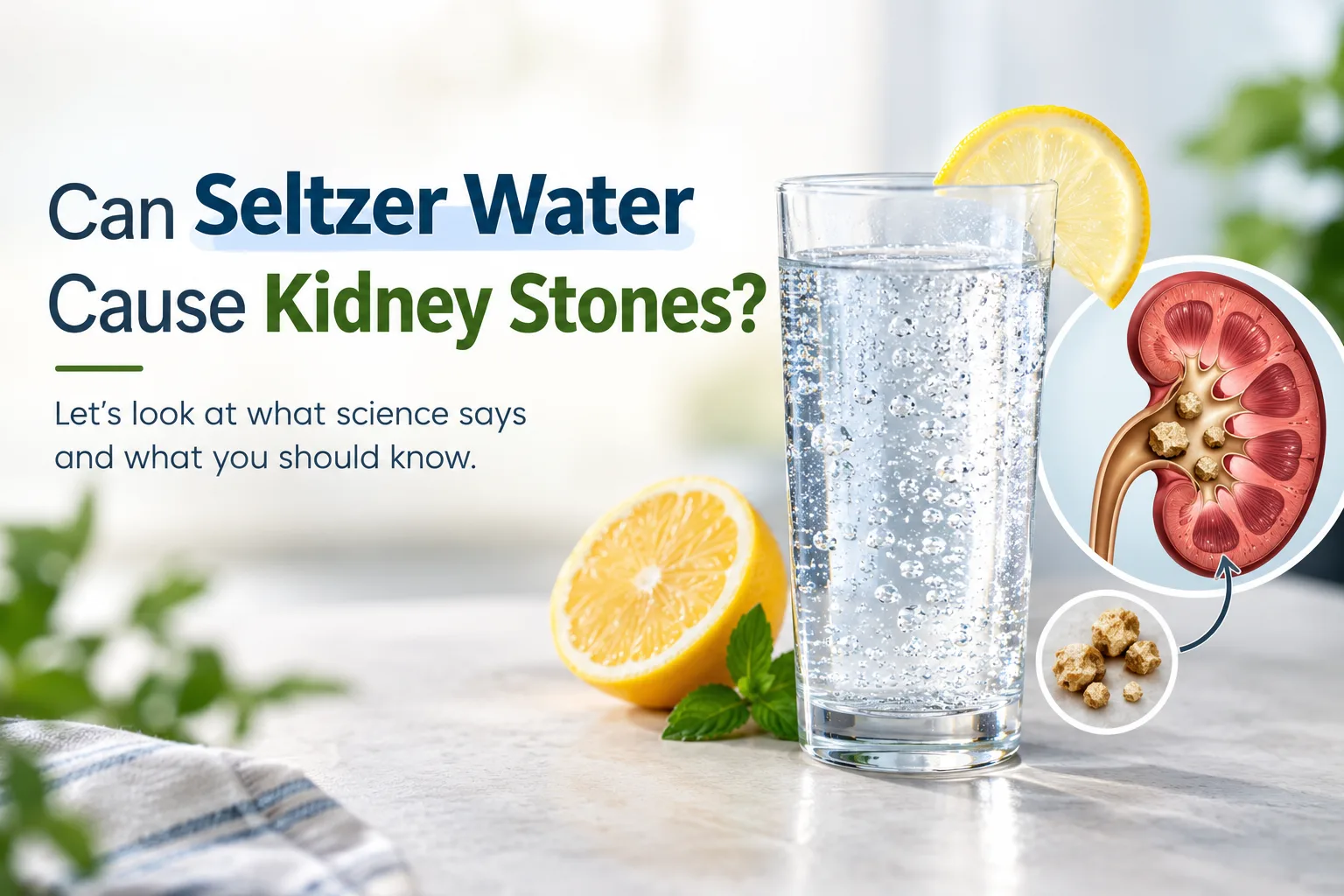

It's unlikely that plain seltzer water, which contains only carbon dioxide and water, will cause kidney stone formation since it is considered part of the daily fluid intake, which is necessary to maintain the health of the urinary system. The problem is that the ATIC ingredients in seltzer water that can contribute to kidney stone formation are usually added to the water: sugar, phosphoric acid, and/or sodium.
So, if you've been giving your lime-flavored can suspicious looks, it is possible to relax a bit. Let's see what it actually contains.
What Is Seltzer?
Seltzer is carbonated water, that's all. In the case of club soda, a couple of minerals are added; in the case of tonic water, sugar and quinine are included; and flavored seltzers can be sweetened with citric acid or other flavorings. Because all these variations differ from one another in terms of chemical components, it's important to understand how they interact with our organism and how seltzer in particular can influence the appearance of kidney stones.
Formation Process
To start with, the formation of stones begins when the minerals, such as calcium and oxalate, clump together in the urine, which contains too many of them. However, the number one enemy of kidney stones is drinking too little water. Besides that, there are some more usual suspects.
- Drinking too much salt, which forces your kidneys to eliminate much calcium through your urine.
- A diet rich in animal protein.
- Sugary drinks, particularly those that are sweetened with fructose.
- Certain medical conditions and family history.
We can see that bubbles were not included in the list.
What the Science Says
The research by Ferraro et al. (2013) from the Clinical Journal of the American Society of Nephrology, performed on more than 190,000 people, found a higher risk of stone formation in people consuming sugar-sweetened colas and punch. However, coffee, tea, and orange juice were associated with a lower risk of stone formation.
Carbonated water did not get into this list. In the earlier study, performed by Bihl and Meyers (2001) in the Journal of Urology, it was observed that the use of carbonated water did not increase the risk of kidney stones. Besides this, according to the guidelines of Qaseem et al. (2014) published in the Annals of Internal Medicine, at least 2 liters of urine per day should be produced for the prevention of kidney stones.
To put it in a nutshell: drink more water; sugary beverages and soda are not harmful by themselves.
Seltzer vs. Other Fizzy Drinks
|
Drink |
Stone risk |
Honest funny note |
|
Plain seltzer |
Low |
Water wearing a party hat |
|
Cola |
Higher (sugar, phosphoric acid) |
Looks like the elixir of joy, acts like the source of trouble |
|
Club soda |
Low to moderate (contains some sodium) |
A close relative to seltzer that contains more sodium |
|
Lemon-flavored soda |
Low |
Sour face, usually no drama |
Best Fruits for Kidney Stone Patients
However, if you're seeking flavor without the fizzy aspect, consider using fruit. The ideal choice for kidney stone patients is usually citrus fruits, such as lemon and orange, because they increase citrate in urine, making sure that the crystals will not stick together. Melon and berries are generally good as well. You should try to reduce the amount of rhubarb and star fruit that you eat since they have a high oxalate content. Thus, adding lemon juice to your seltzer is quite a good idea.
Homeopathic Remedies for Kidney Stones
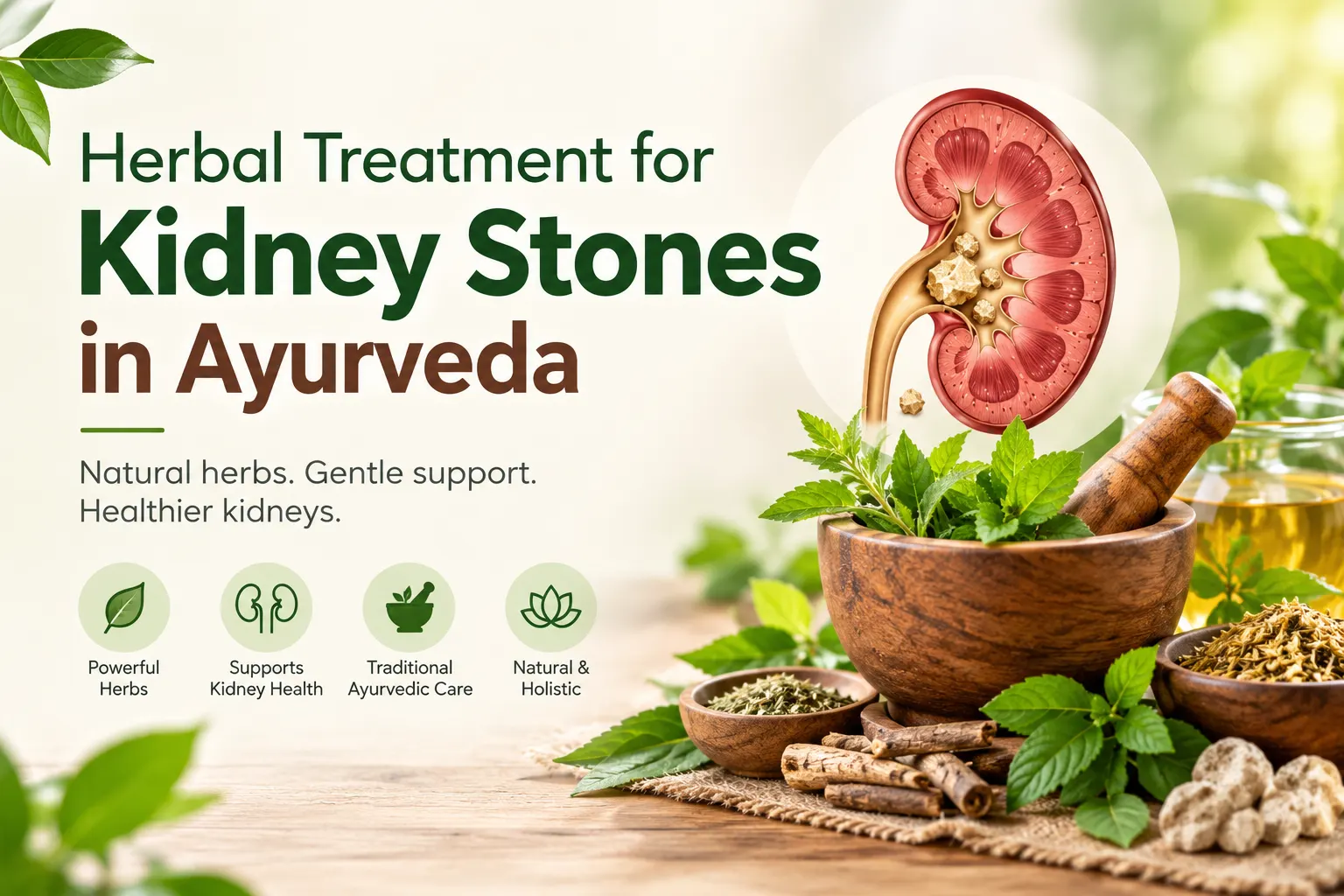
People often inquire about the best herbs to treat kidney stones. Pashanbhed (Bergenia ligulata), gokshura, horse gram, and chanca piedra are often mentioned as possible herbal treatments. However, evidence supporting their effectiveness in humans is currently insufficient, so they are not a substitute for the treatment prescribed by a physician and adequate water intake.
Ayurveda and Creating a Personal Plan
The way of treating kidney stones through Ayurveda includes a specific combination of diet, fluid intake, and herbs chosen according to the individual's condition and stone type. For example, centers like Karma Ayurveda, run by Dr. Puneet Dhawan, offer such treatments to their patients, which are considered better than following a randomly chosen routine from the internet.
Everyday Habits That Actually Help
A realistic natural treatment for renal stones is mainly unglamorous:
- Drink fluids during the whole day, not only at midnight.
- Check labels for sugar and sodium in flavoured drinks.
- Incorporate foods such as curd and milk in your diet.
- Inform your doctor about all the supplements you take.
The Key Takeaways
Plain seltzer isn't linked to stones and counts as fluid.
- Sugary drinks, especially colas, carry a lot more risk.
- Make sure to look for labels concerning sodium, sugar, and acids.
- Citrus fruits are healthy stone-friendly choices.
- Herb treatment requires expert consultation.
📩 Ask a Kidney Expert (Free 10-Min Consultation)
FAQs
Can seltzer cause kidney stones?
Plain seltzer doesn’t appear to, though sugary or salty fizzy drinks might.
Is sparkling water bad for your kidneys?
Not in the studies so far, so sip on.
Is club soda worse than seltzer?
Slightly, because of the added sodium, but it’s rarely a big deal.
What drinks help prevent kidney stones?
Water, lemon water, coffee, and tea are good picks in moderation.
Should I avoid cola with a stone history?
Probably, since sugar and phosphoric acid aren’t doing you any favours.
Disclaimer
This article is for general information only and isn’t medical advice, diagnosis, or treatment. Stone causes vary by person. Please consult a qualified doctor before changing your diet, starting herbs or supplements, or delaying care for severe pain, fever, or blood in urine.