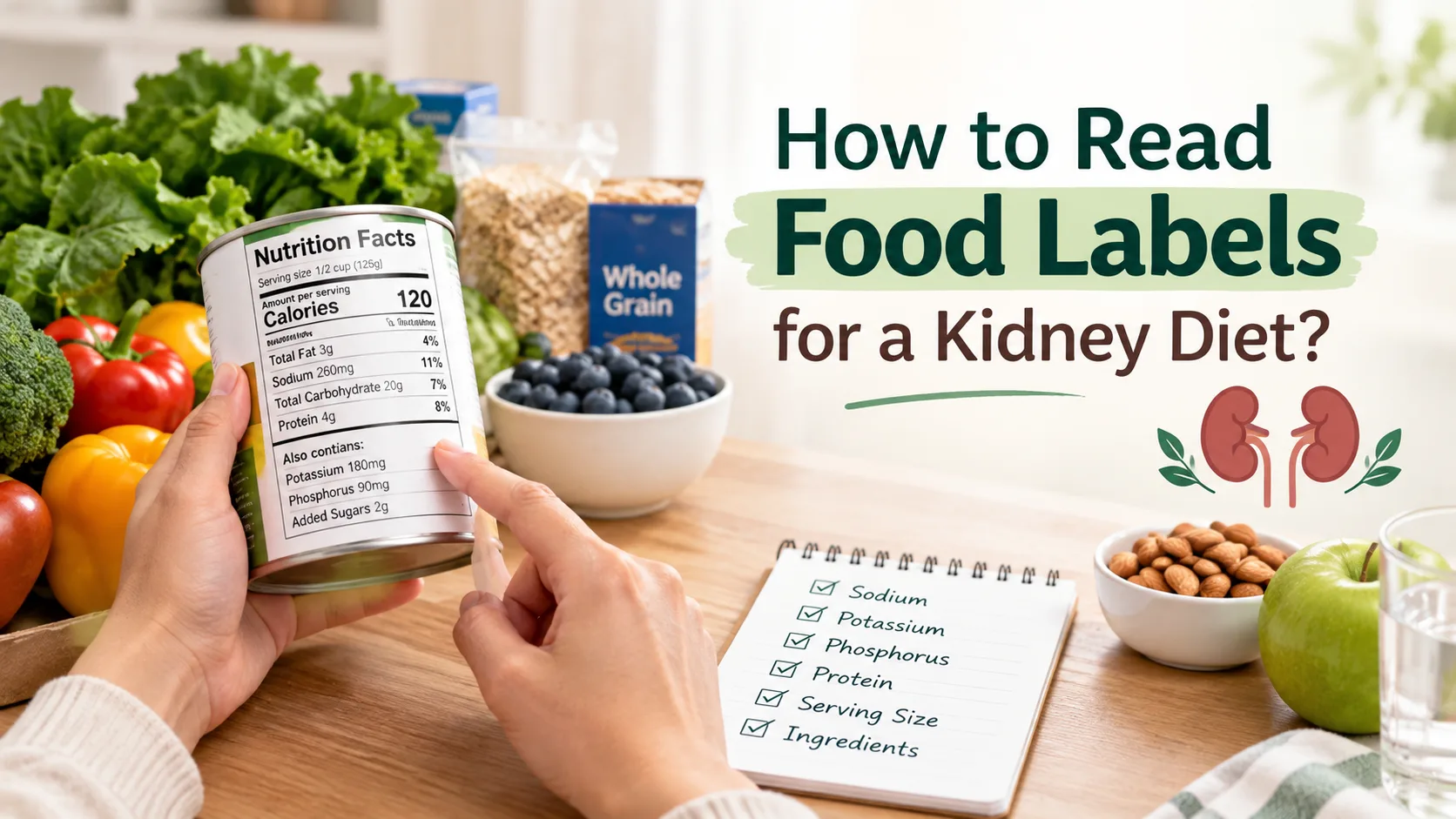

Planning meals around dialysis really comes down to getting enough protein and calories while keeping sodium, potassium, phosphorus, and fluids in check. The trick isn't turning every meal into a punishment; simple, fresh, well-portioned food can make this a lot easier to stick with.
Starting dialysis can make food feel like it suddenly comes with a rulebook. One week you're eating however you always have, and the next you're staring at a perfectly innocent banana wondering if it's secretly out to get you.
Here's the reassuring part: a dialysis diet doesn't mean a life of bland food and sighing over your plate. It's really about understanding what your body actually needs now and building meals around your blood work, your dialysis schedule, your fluid allowance, and your nutritional needs.
What Actually Needs to Be in a Dialysis Meal Plan?
People on hemodialysis usually need more protein than they did before starting treatment. Dialysis pulls some protein out of the body along the way, and enough protein is what keeps your muscles maintained, helps tissue repair, and supports your overall nutrition.
At the same time, sodium, potassium, phosphorus, and fluid intake often need watching too.
Exactly how much of each varies a lot from person to person, which is why there's really no single "perfect" Diet in dialysis that works the same way for everyone.
A practical checklist to keep in mind:
- Include a good protein source at each meal.
- Lean toward fresh food over heavily processed options.
- Keep added salt low.
- Check potassium based on your most recent blood report.
- Stay mindful of phosphorus, especially from processed food and additives.
- Count drinks and other liquid-ish foods toward your fluid total.
- Stick to the portion sizes your renal dietitian has laid out for you.
Research published in Seminars in Dialysis has pointed out just how tricky it can be to balance protein, potassium, and phosphorus all at once, which is exactly why individualised dietary guidance tends to work better than a one-size-fits-all plan.
Build Your Plate Around Protein
Protein deserves a bit more attention once dialysis starts.
Depending on what's actually right for you, options might include:
- Eggs
- Fish
- Skinless chicken
- Lean meat
- Tofu or other suitable plant proteins
- Other protein sources your dietitian recommends
The National Kidney Foundation notes that protein needs generally go up once someone starts dialysis.
But here's the slightly annoying catch: a lot of protein-rich foods also happen to be high in phosphorus. So just saying "eat more protein" without thinking about the rest of the plate doesn't really help much on its own.
It's about finding balance, not swinging to extremes.
Watch Your Sodium Before You Blame the Water Bottle
Too much sodium ramps up thirst and contributes to fluid retention and blood pressure problems; both of which make managing fluids between dialysis sessions harder than it needs to be.
Instead of leaning on packaged seasoning mixes, try:
- Lemon or fresh herbs for flavour
- Garlic and ginger where they fit
- Freshly cooked meals
- Homemade snacks instead of salty packaged ones
- Actually reading labels before buying anything processed
And look, chips are genuinely delicious. They're also weirdly good at vanishing from the bag faster than you'd expect. Keeping them as an occasional thing rather than a daily habit makes life a lot easier.
Potassium: Check, Don't Guess
Potassium matters for normal muscle and heart function, but potassium levels that swing too high or too low can genuinely be dangerous.
That doesn't mean everyone on dialysis has to avoid every fruit and vegetable in sight, though.
How much potassium you should be restricting really depends on your actual blood levels and what your healthcare team advises. The National Kidney Foundation specifically recommends individualised guidance here, since potassium needs vary quite a bit from one dialysis patient to another.
So before you write off an entire food group forever, check your latest lab results first.
Phosphorus Needs Attention Too
High phosphorus levels can mess with bone and mineral health, which is exactly why phosphorus intake often needs to be managed carefully.
Processed food is particularly sneaky here; phosphorus-containing additives can turn up in foods that don't look remotely high in phosphorus at first glance.
When you're shopping, keep an eye out for ingredients containing:
- "phosphate"
- "phosphoric"
- "polyphosphate"
- "phosphorus"
Freshly prepared food tends to sidestep this problem altogether.
Some patients are also prescribed phosphate binders, and those need to be taken exactly as directed; usually alongside meals or snacks, if that's how they've been prescribed.
So What Are the Best and Worst Foods for Dialysis?
Rather than building a rigid good-food/bad-food list, it's more useful to think in terms of frequency, portion size, and your own lab values.
|
Choose More Often* |
Keep a Closer Eye On* |
|
Freshly cooked meals |
Highly processed foods |
|
Suitable lean proteins |
Processed meats |
|
Lower-sodium options |
Salty snacks and pickles |
|
Appropriate fruits and vegetables |
High-potassium foods, if your levels run high |
So the Best foods in dialysis aren't necessarily whatever tops some generic list online. They're the foods that genuinely fit your protein, calorie, sodium, potassium, phosphorus, and fluid needs.
And the same goes the other way; the Worst foods in dialysis aren't identical for everyone either. Something might need restricting because of its sodium, its potassium, its phosphorus, its fluid content, or honestly just because the portion size got out of hand.
Plan Meals Around Your Dialysis Schedule
Timing your meals around your treatment schedule can genuinely make life easier.
For example, prepping meals ahead of time on dialysis days beats reaching for whatever packaged food happens to be closest when you're exhausted.
A simple weekly rhythm might look something like this:
- Sunday: Plan meals and put together a shopping list.
- Monday–Tuesday: Prep a couple of protein options in advance.
- Wednesday: Check what fresh ingredients are running low.
- Thursday–Friday: Keep easy, home-cooked meals on hand for dialysis days.
- Weekend: Look back at what worked and tweak from there.
It sounds almost too simple to matter. That's exactly why it works so well.
A large European study involving 6,906 adults on hemodialysis found that a lot of patients weren't consistently hitting dietary targets for protein, potassium, and phosphorus, which says a lot about how genuinely tricky practical meal planning can be.
Don't Forget About Calories
One mistake that comes up a lot: getting so focused on restrictions that meals shrink down too much.
Your body still needs actual energy to run on.
If you find yourself eating very little out of fear around potassium, phosphorus, or fluid, talk to your dietitian about it. Not eating enough calories or protein can lead to unwanted weight loss and muscle loss, which isn't the goal here either.
A 2023 systematic review and meta-analysis, covering 22 randomized trials and 1,185 dialysis patients, found that oral nutritional supplements improved things like serum albumin, BMI, and grip strength in the groups studied.
That said, supplements are something to add only when they're actually recommended for you; not something to just toss in the cart on a whim.
What About Ayurveda and Dialysis?
Ayurvedic approaches can be discussed alongside conventional treatment, but dialysis itself should never be stopped or altered because of an herbal remedy; that's a line worth being firm about.
Anyone researching Kidney disease Ayurvedic treatment should first get clear on what stage of kidney disease they're dealing with, why dialysis is necessary in their case, and what their current lab values actually show.
Searches for Best herbs for kidney stones in Ayurveda, meanwhile, are really about a different problem entirely: stone-related issues, and shouldn't get mixed up with managing advanced kidney failure.
If you're exploring an Ayurvedic approach anyway, it's worth having an open conversation with both your nephrologist and a qualified Ayurvedic practitioner. This matters a lot, because certain herbs or supplements can affect your electrolytes, your medications, or your kidney function directly.
Hospitals like Karma Ayurveda for kidney disease treatment offer potent natural treatment for kidney disease, but any complementary plan really needs to be coordinated with your existing medical care, not run separately from it.
Conclusion
Planning meals on dialysis isn't really about banning half your kitchen. It's about finding the right balance for you specifically. Protein, calories, sodium, potassium, phosphorus, and fluids all matter, but what's "right" is genuinely personal.
Use your blood reports as your guide, keep meals simple, actually read labels, plan a bit, and stay in touch with your dialysis dietitian. A little bit of prep goes a long way toward making the whole thing feel far less overwhelming; and thankfully, your dinner really doesn't have to taste like cardboard to get there.
Key Takeaways
- Dialysis often raises your need for dietary protein.
- Sodium generally needs to stay in check to help manage thirst, blood pressure, and fluid balance.
- Potassium limits should be based on your own blood levels, not blanket food bans.
- Keep an eye on phosphorus, particularly from processed foods with phosphate additives.
- Fluid isn't just water; it includes soups, ice cream, gelatin, and other things that are liquid at room temperature.
- Meal plans should be built around your dialysis type, lab results, nutritional status, and any other health conditions you're managing.
- Fresh, home-cooked meals make label-reading and portion control a lot simpler.
📩 Ask a Kidney Expert (Free 10-Min Consultation)
Frequently Asked Questions
1. What should a dialysis patient eat in a day?
Generally, balanced meals with enough protein and calories, while keeping sodium, potassium, phosphorus, and fluids in line with their individual plan.
2. Can dialysis patients eat fruits and vegetables?
Yes, though the types and portions may need adjusting based on the person's potassium levels and their dietitian's guidance.
3. Why does protein matter so much during dialysis?
It helps maintain muscle and repair tissue, and dialysis tends to increase how much protein the body actually needs.
4. Should dialysis patients avoid all phosphorus-rich foods?
Not necessarily; the real goal is usually managing phosphorus intake while still getting proper nutrition, with extra attention paid to highly absorbable phosphorus additives specifically.
5. Can Ayurvedic herbs be taken alongside dialysis?
Only after talking it through with the treating healthcare team, since some herbs and supplements can interact with medications or throw off electrolyte and fluid balance.
Disclaimer
This article is meant for general educational purposes and isn't a substitute for medical or dietary advice. Nutritional needs during dialysis vary a lot from person to person. Always follow the meal plan, fluid allowance, medications, and treatment schedule set by an expert like Dr. Puneet Dhawan and a renal dietitian. Don't stop dialysis or any prescribed treatment based on what you've read here.