
Kidney beans get their name from their shape, but they’ve been quietly helping actual kidneys and the rest of the body long before health blogs made them famous. You’ve seen them in rajma, chili, salads, and sometimes hiding at the bottom of your plate like they’re shy. But the big question is simple: are kidney beans good for you, or are they just pretending to be healthy?
Short answer: yes, they’re good for you.
Long answer: grab a cup of coffee and keep reading.
Have a kidney concern? Fill the form and speak with our doctor to get the right guidance for kidney care.
What Exactly Are Kidney Beans?
Kidney beans are legumes. That’s the food family that includes lentils, chickpeas, peas, and beans that make your grandma proud and your gym trainer nod approvingly. They’re plant-based, affordable, easy to store, and very serious about nutrition.
Red kidney beans are the most common, but white and speckled ones exist, too. They all bring similar benefits to the table, just with slightly different personalities.
Kidney Beans Benefits
Some of the major benefits of kidney beans are:
The Protein That Doesn’t Show Off
One of the biggest reasons kidney beans are good for you is their protein content. Not the loud, gym-bro protein that shouts from a shaker bottle, but calm, reliable plant protein.
A cup of cooked kidney beans gives you around 13–15 grams of protein. That’s pretty impressive for something that doesn’t cluck, moo, or swim. Protein helps build muscles, repair tissues, and keep you fuller for longer, which means fewer random snack attacks at 4 pm.
If you’re a vegetarian or trying to cut down on meat, kidney beans are basically your best friend who always shows up on time.
Have a kidney concern? Fill the form and speak with our doctor to get the right guidance for kidney care.
Fiber: The Unsung Hero of Your Stomach
If protein is the star, fiber is the stage crew doing all the hard work behind the scenes.
Kidney beans are loaded with fiber, about 11–13 grams per cup. Fiber helps your digestion run smoothly, like traffic on a good day with no honking. It prevents constipation, supports gut health, and feeds the good bacteria in your stomach.
Bonus: Fiber keeps you full. So, you eat less junk later. Your jeans will silently thank you.
Good for the Heart, Not Just the Name
Despite the dramatic name, kidney beans are actually very kind to your heart.
They help lower bad cholesterol (LDL) and support healthy blood pressure because they contain potassium and magnesium. These minerals help relax blood vessels and keep your heart from working overtime, like it’s stuck in Monday traffic forever.
Regularly eating kidney beans has been linked to a lower risk of heart disease. That’s not magic; that’s just good food doing its job.
Blood Sugar’s Calm, Cool Friend
Like sugar foods, kidney beans keep a level of order when they could easily get out of control.
The glycemic index of kidney beans is very low, so they do not produce large fluctuations from their introduction into the bloodstream. Both the fibrous and complex carbohydrates within kidney beans are released from the digestive system into the bloodstream slowly over an extended period; thus, maintaining a consistent level of sugar in the body.
This makes kidney beans a smart choice for people with diabetes or anyone trying to avoid the sugar crash that makes you want to nap at your desk.
Weight Loss Without Drama
If you’re trying to lose weight, kidney beans won’t promise miracles or six-pack abs in seven days. But they will help in a very sensible, no-nonsense way.
They’re filling, high in protein and fiber, and relatively low in fat. That combination helps control appetite and reduces unnecessary snacking. You feel full, satisfied, and less likely to reach for chips out of boredom.
No guilt. No drama. Just food doing what food should do.
Packed With Vitamins and Minerals (Quietly)
Kidney beans don’t brag, but they are loaded with nutrients.
They contain iron, which helps carry oxygen in your blood. One major component of kidney beans is folate. Folate is necessary to have in our diets for cell multiplication and is particularly crucial for women. In addition to folate, kidney beans also contain magnesium, phosphorus, and lesser amounts of zinc.
Combined, these nutrients contribute to energy production, bone health, and the proper function of all bodily systems. In a way, kidney beans are like that coworker who is always working hard, but you don’t hear them bragging about everything they do.
Are Kidney Beans Good for You?
This gets really important with kidney bean consumption because improving kidney health is a mounting concern.
For people with normally functioning kidneys, consuming kidney beans on a regular basis is perfectly healthy and beneficial. They promote heart health, blood glucose control, and digestion, all of which help the kidneys indirectly.
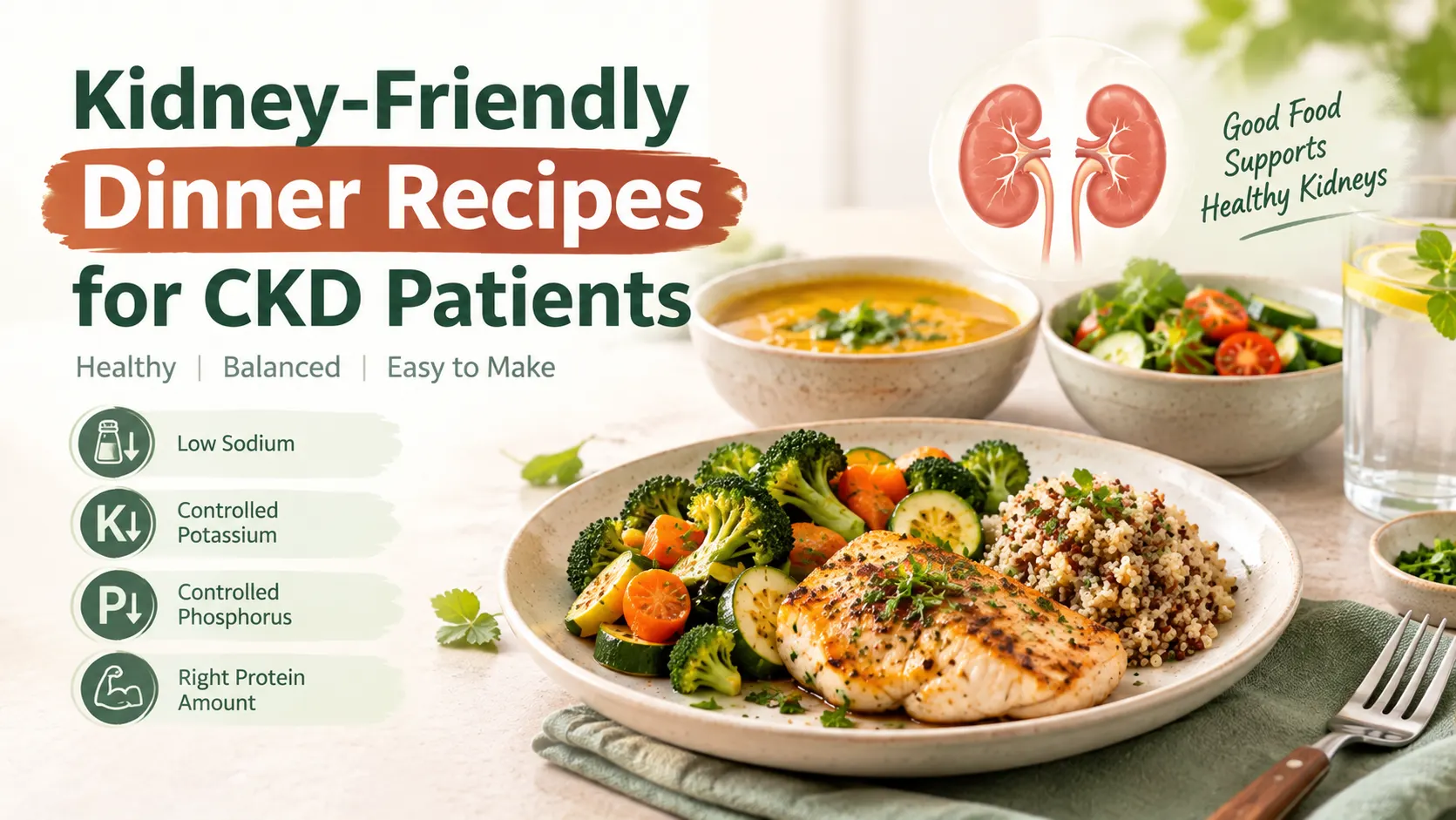
However, for individuals suffering from chronic kidney disease (CKD), the answer is more convoluted than you would think because Kidney beans and kidney disease patients do not share as warm a relationship as with a healthy individual. Kidney beans provide potassium and phosphorus; therefore, depending on how far along an individual is with their CKD, there could be limitations set on how many kidney beans are consumed regularly.
This does not mean kidney beans are “bad” for individuals with CKD; it simply means that portion size and/or the method used to prepare kidney beans must be adhered to properly. Many individuals suffering from CKD are advised to soak their beans overnight and thoroughly boil them in order to lessen the amount of minerals they contain before consumption. As with all foods, individuals suffering from CKD should follow dietary or medical recommendations.
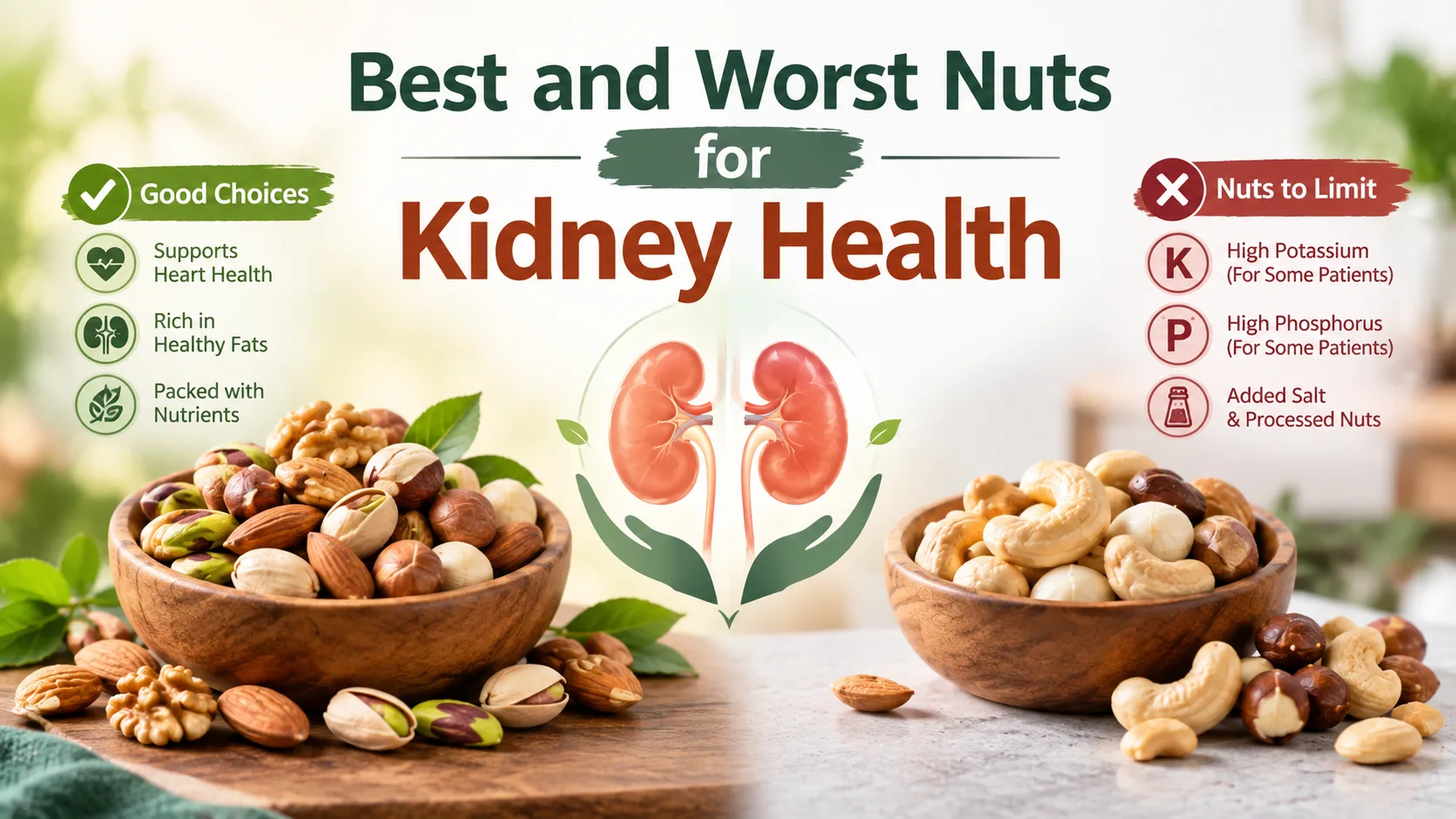
If you like beans, then checking out the best beans for kidney patients, like green beans, chickpeas, etc., would be a better choice.
A Quick but Important Safety Note (Don’t Skip This)
They contain a natural toxin called phytohaemagglutinin. Sounds scary because it is.
Eating raw or half-cooked kidney beans can cause nausea, vomiting, and stomach cramps. The solution is very simple: soak them properly and cook them thoroughly. Once cooked well, they are completely safe and healthy.
This is not a “maybe.” This is a “please cook your beans” situation.
How to Eat Kidney Beans Without Getting Bored
The good news is kidney beans are very flexible. They fit into Indian meals, Western dishes, and everything in between.
You can enjoy them as rajma with rice, toss them into salads, add them to soups, mash them into spreads, or mix them into vegetable curries. They soak up flavors beautifully, like they were born for masalas and spices.
If beans upset your stomach at first, start small. Your gut needs time to adjust. Think of it like inviting a guest slowly, not all at once.
Don’t miss this read: Is Kombucha Good for Kidneys?
So… Are Kidney Beans Good for You?
Yes. Absolutely yes.
Kidney beans are nutritious, affordable, filling, and versatile. They support heart health, digestion, blood sugar balance, weight management, and overall nutrition. For most people, they’re a fantastic addition to daily meals.
Just remember three simple rules:
Cook them well.
Eat them in sensible portions.
Adjust based on your health condition if needed.
That’s it. No complicated rules, no fear-mongering.
Kidney beans aren’t trying to be trendy. They’ve been around for centuries, quietly doing their job. Sometimes, the most boring-looking foods are the ones that actually care about your health.
Have a kidney concern? Fill the form and speak with our doctor to get the right guidance for kidney care.
FAQ
Are kidney beans good for you?
Yes, in general. They’re rich in protein, fiber, and energy, but only when eaten in moderation and well-cooked.
Is kidney bean good for the kidneys?
For healthy kidneys, small portions are usually fine. For CKD patients, kidney beans are not ideal because they are high in potassium and phosphorus.
Are kidney beans good for kidney stone patients?
Usually no. Kidney beans contain oxalates, which can increase the risk of calcium oxalate kidney stones.