
Poor kidneys. They work 24/7, filter your blood, balance fluids, remove toxins, control blood pressure, help make red blood cells, and what do they get in return? Late nights, junk food, stress, painkillers, and about three glasses of water a day. Rude.
The good news is that kidneys are quite forgiving. If you start treating them nicely, they often respond well. Improving kidney function naturally doesn’t mean doing anything extreme. It means fixing small daily habits that quietly damage them.
So, grab a glass of water (yes, now), sit back, and let’s talk about how to improve kidney function naturally without breaking a sweat.
Have a kidney concern? Fill the form and speak with our doctor to get the right guidance for kidney care.
First Things First: Understand Your Kidneys
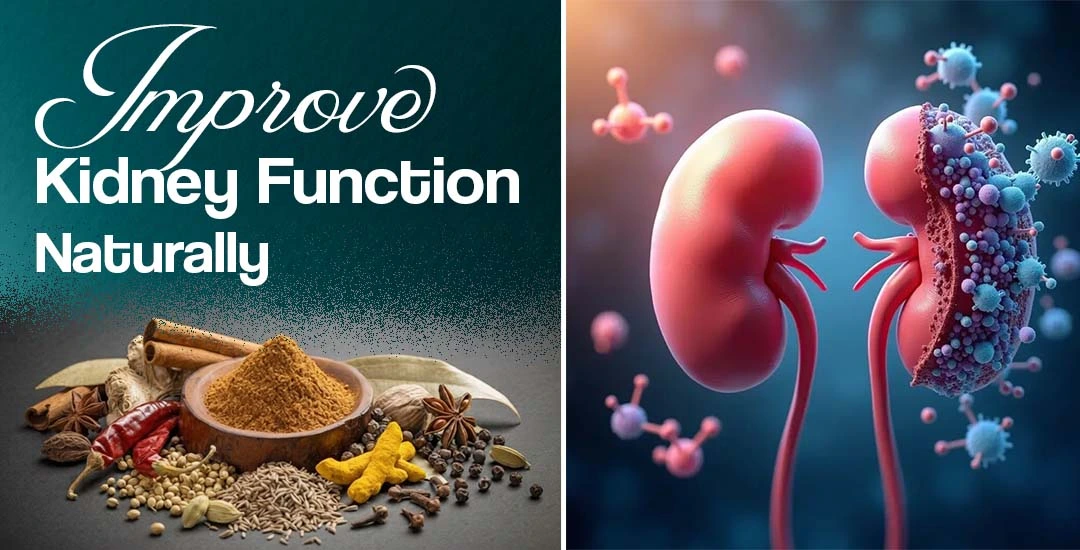
Your kidneys are two bean-shaped organs sitting near your lower back. Think of them as your body’s cleaning staff. Every day, they filter about 180 liters of blood, remove waste, balance minerals, and send the bad stuff out through urine.
When kidneys weaken, toxins hang around longer than unwanted guests. You may feel tired, swollen, nauseous, or just “off.” The goal of natural kidney care is simple: reduce their workload and improve blood flow to them.
How to Support Kidney Function Naturally?
Supporting kidney function naturally is all about adopting kidney health lifestyle changes, such as:
Drink Water… But Don’t Turn It into a Competition
Yes, water is important and one of the best natural ways to improve kidney function, but you don’t need to drown yourself in it.
Hydration and kidney health share a balanced relationship. Drinking enough water helps kidneys flush out toxins and prevents stone formation. But “enough” depends on your body, climate, and health condition. For most people, sipping water throughout the day is better than gulping down liters at once.
If your urine is pale yellow, congratulations; you’re hydrated. If it looks like strong tea, your kidneys are silently judging you.
People with kidney disease should always follow their doctor’s advice on fluid intake. More is not always better.
Have a kidney concern? Fill the form and speak with our doctor to get the right guidance for kidney care.
Eat a Kidney-Friendly Diet
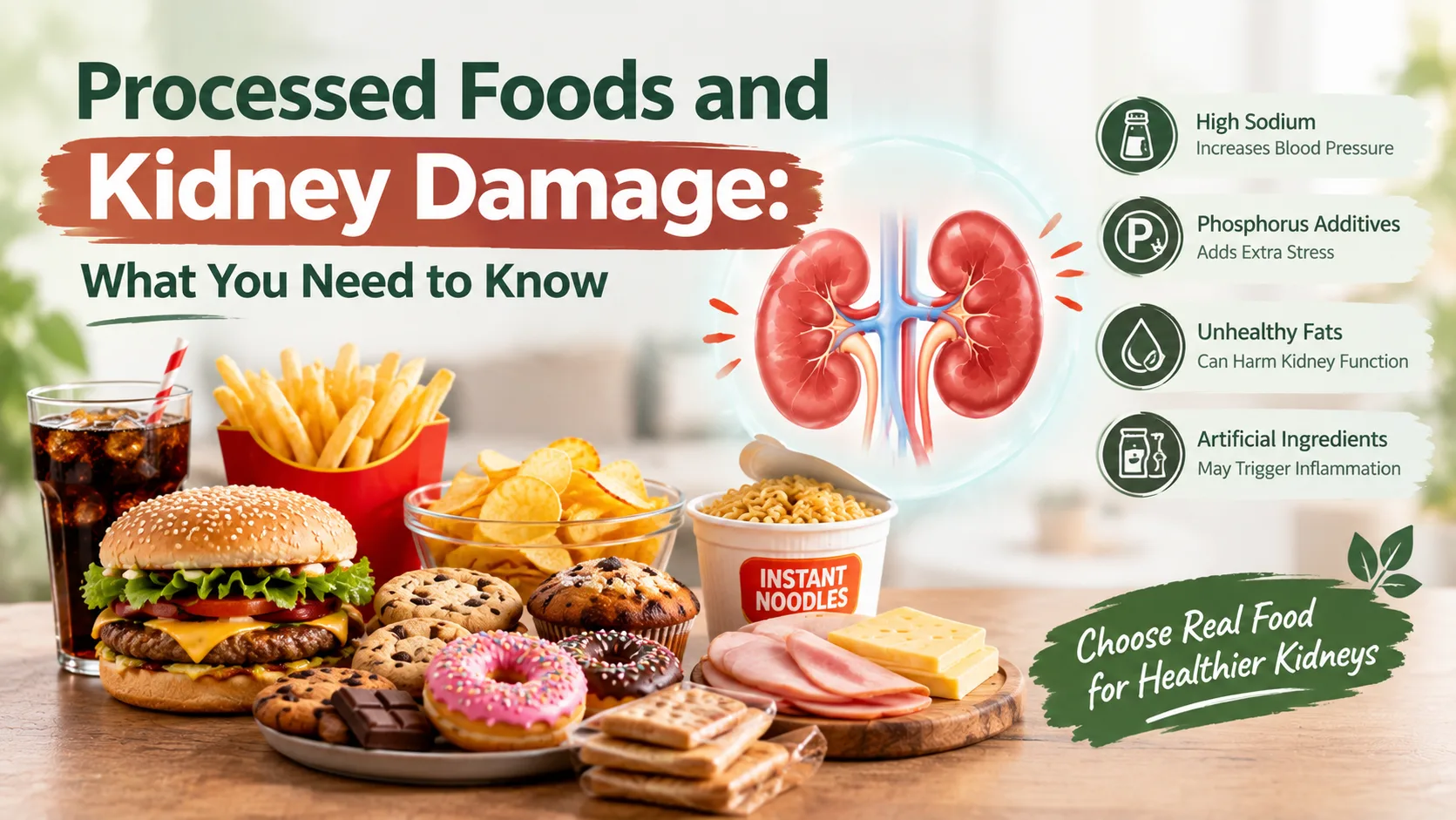
Your kidneys are not fans of ultra-processed food. Too much salt, sugar, and packaged junk makes their job harder.
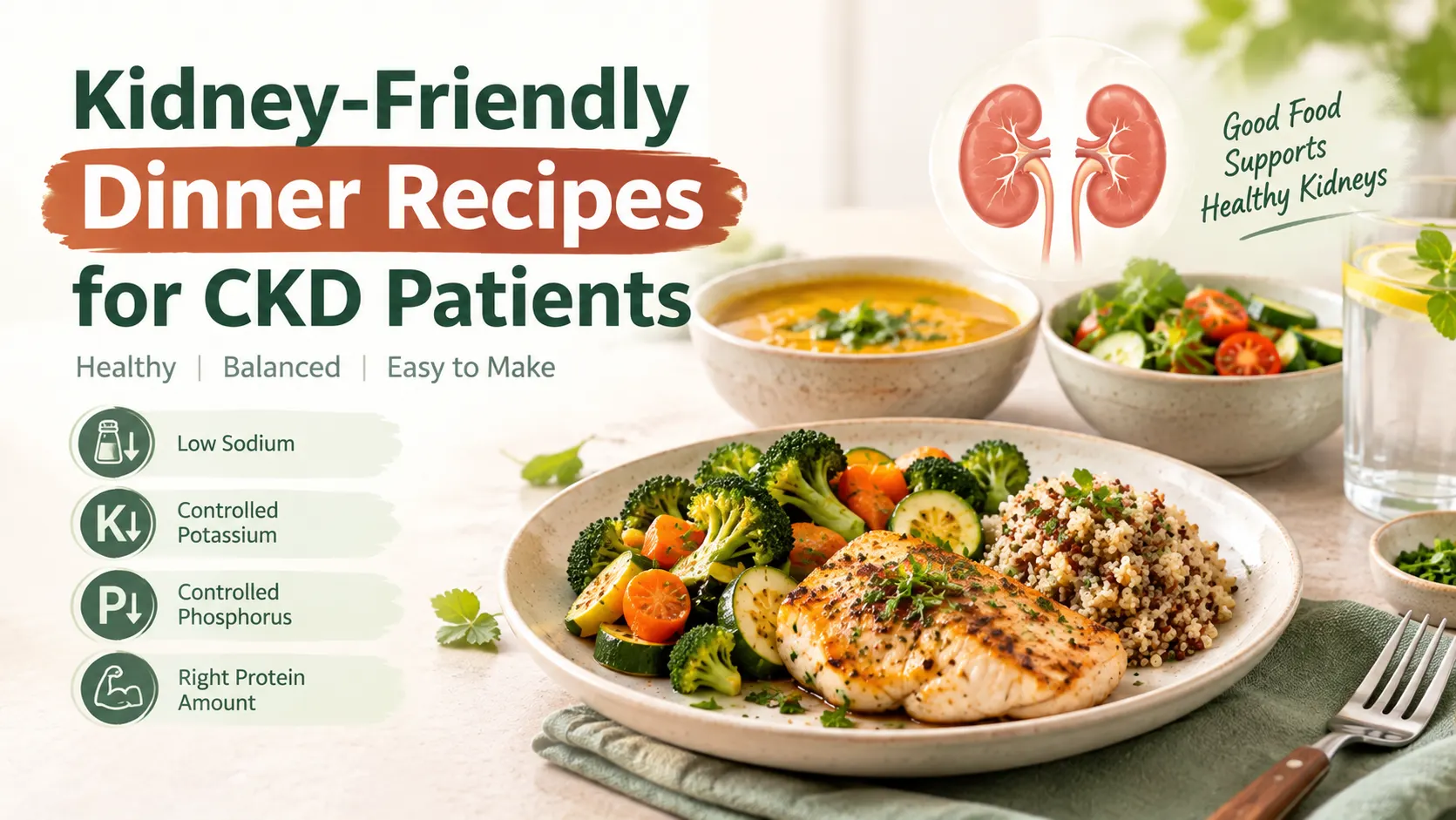
Fresh fruits, vegetables, whole grains, and home-cooked meals are kidney-friendly choices. Foods such as bottle gourd, pumpkin, cucumber, apple, papaya, berries, and cabbage support kidney function.
Salt deserves special mention here. Excess salt increases blood pressure, and high blood pressure damages kidneys faster than you can say “extra salt.” Try using herbs, lemon, garlic, and spices for flavor instead.
And protein; yes, it’s important, but excess protein can strain kidneys. You don’t need to quit dal or paneer, just don’t turn every meal into a gym diet. One of the best ways to improve kidney function naturally is to just monitor what goes into your plate.
Your Blood Pressure and Blood Sugar Matter More Than You Think
If kidneys had enemies, high blood pressure and diabetes would be at the top of the list.
High blood pressure can slowly harm the small filtering vessels inside the kidneys. Diabetes does the same by increasing sugar load in the blood. Managing these two conditions naturally goes a long way in protecting kidney function.
Simple steps help: walking daily, eating balanced meals, reducing stress, sleeping well, and actually taking prescribed medicines on time (yes, skipping doses counts as self-sabotage).
Move Your Body (No Gym Membership Required)
You don’t need six-pack abs to help your kidneys. Even regular walking improves blood circulation and reduces pressure on kidneys.
Exercise helps control weight, blood pressure, and blood sugar; all are kidney-friendly benefits. Yoga, stretching, cycling, or even dancing in your room count.
Just avoid extreme workouts if you already have kidney problems. Your kidneys like consistency, not sudden heroics.
Painkillers: Small Tablets, Big Trouble
This one hurts to hear because painkillers are convenient. Headache? Tablet. Back pain? Tablet. Emotional pain? Okay, not that one.
Frequent use of painkillers, especially without medical advice, can slowly damage kidneys. These medicines reduce blood flow to the kidneys, and over time, that adds up.
If pain is frequent, treat the cause instead of swallowing tablets like candy. Your kidneys will thank you quietly.
Have a kidney concern? Fill the form and speak with our doctor to get the right guidance for kidney care.
Stress Is Bad for Kidneys Too (Yes, Really)
Stress doesn’t just live in your head. It raises blood pressure, disrupts hormones, and affects digestion and sleep, all of which indirectly harm kidney health.
Take breaks. Breathe deeply. Laugh more. Spend time with people who don’t drain your energy. Even 10 minutes of silence a day can help your body reset.
Your kidneys prefer calm humans.
Ayurveda and Natural Support for Kidneys
Traditional systems like Ayurveda focus on balancing the body rather than attacking symptoms. Herbs like Punarnava, Gokshura, Varun, and Kaasni are traditionally known to support kidney function and urinary health. However, herbal remedies should never be taken randomly. Always consult a qualified practitioner, especially if you already have kidney disease.
Natural does not mean harmless when taken incorrectly.
Sleep Is Not Optional
Poor sleep affects hormones, blood pressure, and sugar levels. All three directly affect kidney health.
Try to sleep 7–8 hours a night. Fixed sleep timings help more than sleeping late and “catching up” on weekends. Your kidneys follow a rhythm, and disrupting it confuses them.
Late-night scrolling? Your kidneys vote against it.
Stop Smoking and Go Easy on Alcohol
Smoking damages blood vessels, including those supplying the kidneys. Alcohol dehydrates the body and increases blood pressure.
If quitting completely feels hard, reducing frequency is still a win. Every small step counts when it comes to kidney protection.
Have a kidney concern? Fill the form and speak with our doctor to get the right guidance for kidney care.
Listen to Your Body and Get Tested
The vast majority of kidney disease does not make itself known until a patient's kidneys are significantly damaged. These lab tests (creatinine level, eGFR, and urine tests) can identify problems before they are serious. Symptoms to pay attention to include: swelling of the legs, foamy urine, tiredness, and changes to urine output. Early detection can save your kidneys, and money.
Final Thoughts: Be Kind to Your Kidneys
To improve kidney function naturally is not about magic foods or miracle pills. It’s about daily habits. Drink water smartly. Eat simple food. Move your body. Sleep well. Reduce stress. Respect medicines.
Your kidneys don’t ask for luxury. They just want basic care and a little appreciation.
Start small. Be consistent. And remember, your kidneys are doing their best. The least you can do is meet them halfway.
FAQ
What foods help kidneys repair?
Fresh fruits and veggies, especially apples, berries, cabbage, cauliflower, bottle gourd, and pumpkin. Home-cooked, low-salt food always helps kidneys feel less stressed.
How can I rebuild my kidneys naturally?
Drink enough water, eat clean food, cut down salt and junk, control sugar and BP, sleep well, and follow a kidney-friendly routine consistently.
What are the three early warning signs of kidney disease?
Feeling tired all the time, swelling in the feet or face, and changes in urine (foam, less urine, or frequent urination).
How can I improve my kidney function fast?
There’s no overnight fix, but stopping junk food, reducing salt, staying hydrated, and managing BP and sugar can show improvement over time.
Can you improve kidney function?
Yes, especially in the early stages. With the right diet, lifestyle changes, and proper guidance, kidney function can be supported and stabilized.
Best exercise for kidney health
Simple walking, light yoga, stretching, and breathing exercises. Nothing extreme—consistency matters more than intensity.