
Short answer? Yes, dinner can still be delicious even if you're managing CKD. You just have to stop treating salt like it's a personality trait and start leaning on herbs, fresh veggies, and smart protein portions instead.
So in this one, we're going to talk about kidney-friendly dinner recipes for kidney patients, dig into what actually counts as the best recipes for kidney patients, call out the worst foods for kidney patients (some of these will genuinely surprise you), and even take a small detour into Ayurvedic kidney treatment, because honestly, some of that old-school wisdom holds up shockingly well against modern nutrition science.
Why Dinner Deserves More Attention Than It Gets?
Here's a pattern I've noticed in basically every household: breakfast is rushed, lunch is eaten half-distracted at a desk, and dinner is where everyone finally relaxes. Which also means it's where the extra ghee sneaks in, the "just one more pinch" of salt happens, and portion sizes quietly grow without anyone noticing.
For someone dealing with CKD, that relaxed dinner mindset can either work in their favor or quietly work against them.
A 2021 study in the Clinical Journal of the American Society of Nephrology looked at exactly this; people eating more fruits, vegetables, and plant-based proteins showed slower renal decline compared to folks eating heavier, more processed diets. So no, this isn't just "eat healthy" advice dressed up in science. What lands on the dinner plate at 8 PM genuinely moves the needle.
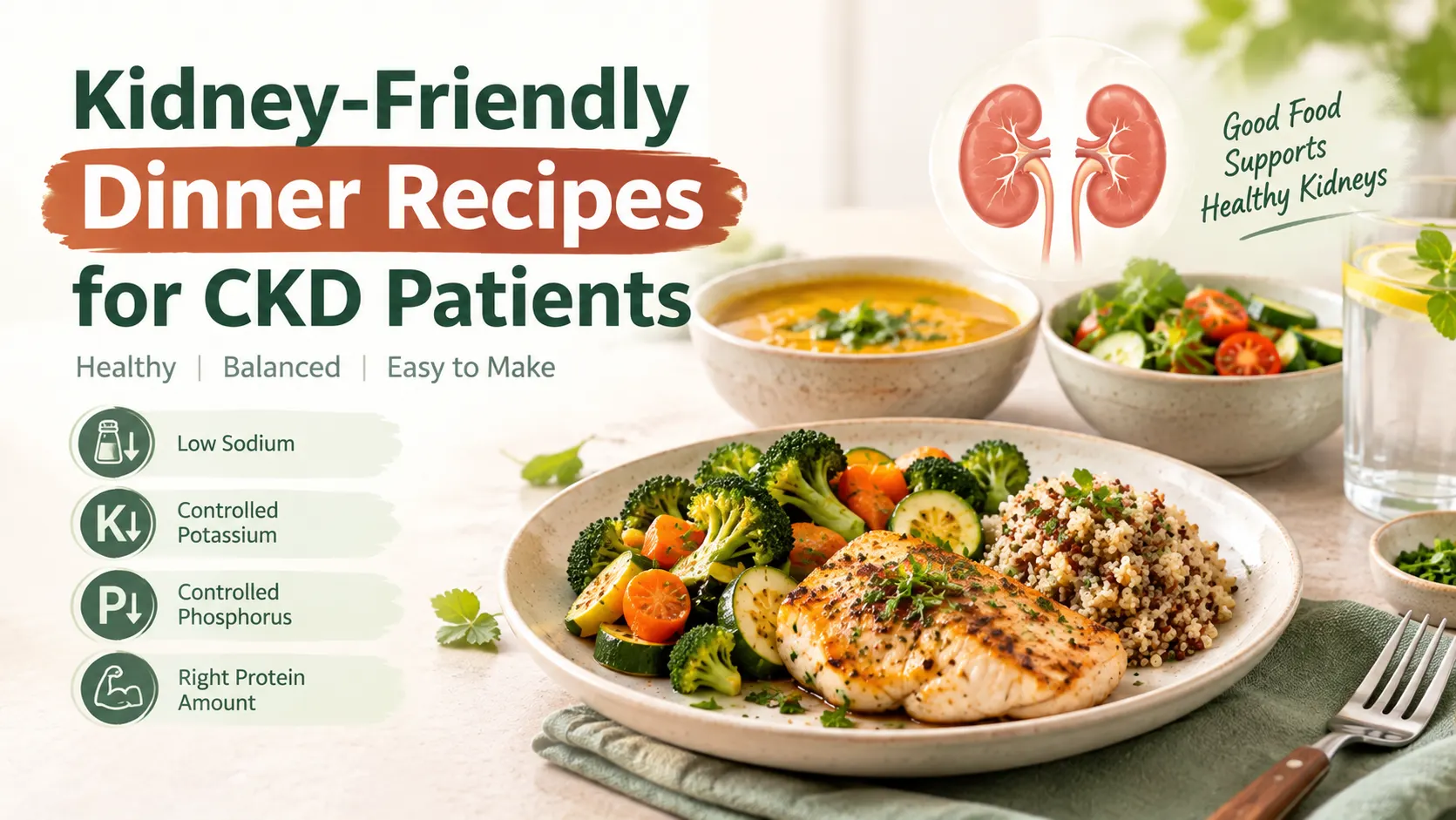
Kidney-Friendly Dinner Recipes for Kidney Patients (That Don't Taste Like Punishment)
Let's get into actual food, because nobody wants a wellness lecture without dinner ideas attached.
1. Herb-Roasted Chicken with Steamed Green Beans. Forget the salt rub entirely. Garlic, rosemary, a squeeze of lemon; roast it till it's golden and slightly crisp on the edges. Pair with steamed green beans, which are refreshingly low in potassium and won't fight with your meds.
2. Cabbage and Bell Pepper Stir-Fry with Rice. Cabbage doesn't get enough credit. It's cheap, it's crunchy, it's low in potassium, and it stir-fries in under ten minutes. Add turmeric and cumin for warmth without reaching for the salt shaker.
3. Egg White Vegetable Omelette: Breakfast food for dinner is a completely valid life choice. Egg whites carry less phosphorus than whole eggs, and stuffing the omelette with onions, a little spinach, and peppers makes it feel like a proper meal, not a sad diet plate.
4. Grilled Fish with Cauliflower Mash: Trade the butter-heavy mashed potatoes for a cauliflower mash with olive oil and garlic. Grill the fish with dill and cracked pepper instead of salt. Tastes fancier than it actually is to make.
5. Lentil-Free Vegetable Soup: Yes, lentil-free on purpose; regular dals can carry more potassium and phosphorus than most people assume. A light broth with carrots, zucchini, and fresh herbs is warm, comforting, and doesn't mess with your numbers.
What Actually Makes a Recipe "Best" for Renal Health?
Not everything labeled "healthy" is automatically fine for someone managing CKD. Through trial, error, and a lot of frustrated dinners, here's what the genuinely best recipes for kidney patients tend to have in common:
-
They go easy on sodium (herbs do the heavy lifting instead)
-
Potassium and phosphorus stay within a sensible range
-
Protein shows up in moderate, well-thought-out portions
-
Ingredients are fresh, not from a packet or can
-
Cooking leans toward grilling, steaming, or roasting over deep frying
One small trick that actually works; soak or double-boil high-potassium vegetables like potatoes before cooking them. This isn't some kitchen myth passed around by aunties; it's a technique dietitians genuinely recommend because it measurably lowers potassium content.
The Worst Foods for Kidney Patients (a.k.a. The Plate's Biggest Drama Queens)
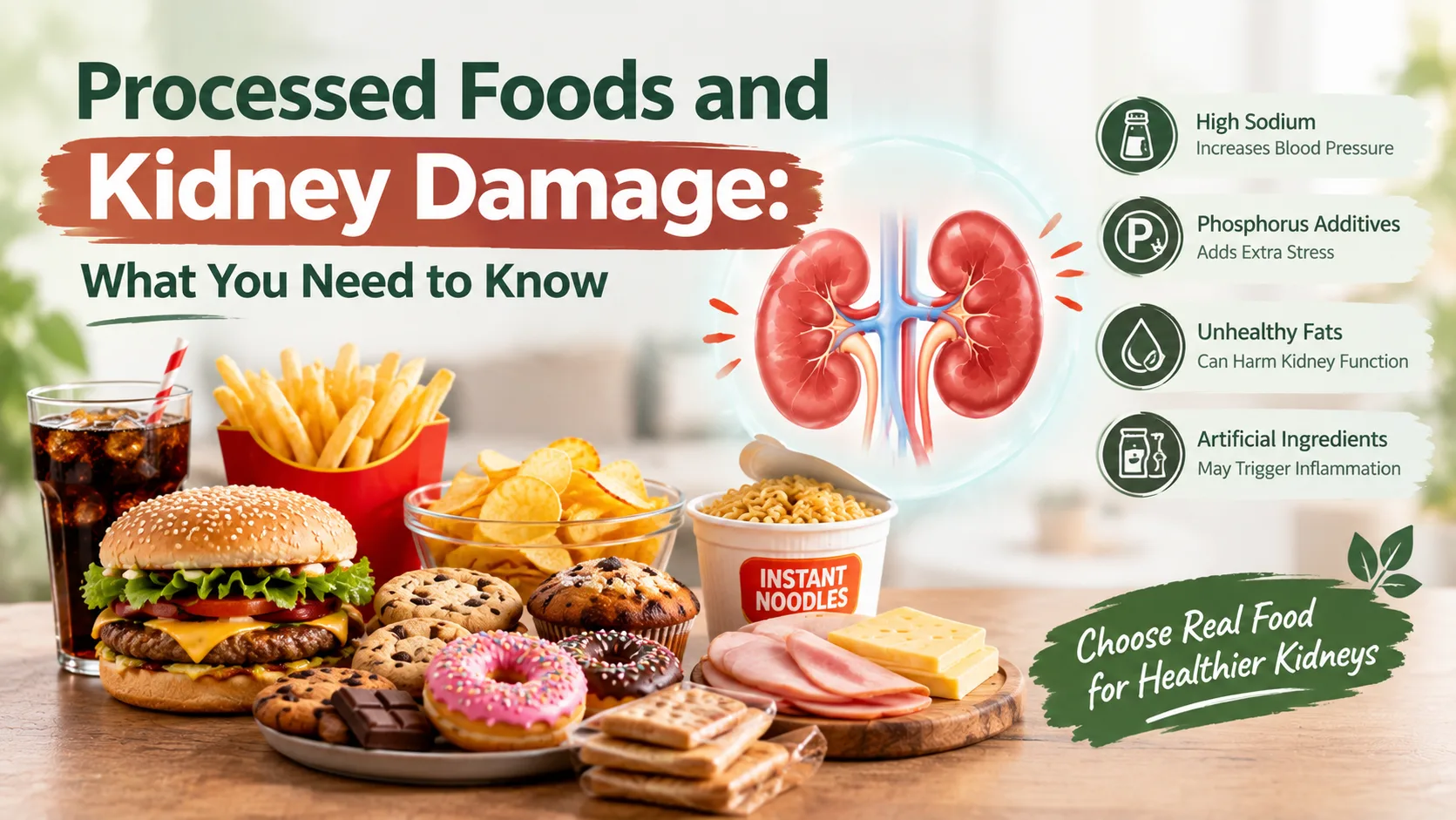
Every diet has that one category of food that causes way more trouble than it's worth. For renal health, the worst foods for kidney patients usually include:
-
Packaged snacks and instant noodles (salt in disguise)
-
Pickles and papads; tasty, but sodium-loaded traitors
-
Bananas, oranges, and potatoes in large amounts (potassium overload)
-
Excess dairy (phosphorus sneaks in quietly)
-
Red meat eaten too frequently
-
Cola-based soft drinks, which hide phosphorus additives nobody reads about
The American Journal of Kidney Diseases has published research tying high sodium and phosphorus intake to faster renal decline in people already managing CKD. So that extra pinch of salt really isn't just a flavor choice; it's doing actual work behind the scenes, and not the good kind.
A Quick, Slightly Ridiculous Comparison Table
Sometimes a table just says it better than three paragraphs ever could:
|
Food Item |
Friend or Foe? |
Why |
|
Cabbage |
Best Friend |
Low potassium, cooks fast, never complains |
|
Banana |
Frenemy |
Delicious, but the potassium levels are showing off |
|
Garlic, dill, turmeric |
MVP |
Full flavor, zero sodium drama |
|
Packaged noodles |
Villain |
Quietly plotting against your sodium levels |
|
Grilled fish |
Reliable friend |
Protein that doesn't sit heavy |
|
Cola |
Sneaky saboteur |
Hidden phosphorus, no remorse whatsoever |
Where Ayurveda Quietly Fits In?
Here's something that surprised me while researching this; modern nutrition science and old Ayurvedic wisdom actually agree far more than people expect. Ayurvedic kidney treatment has historically focused on detoxification through diet, herbs, and daily habits, rather than only chasing symptoms after they show up.
Kidney disease Ayurvedic treatment generally aims to balance the body's internal systems using herbal formulations, dietary discipline, and reducing overall toxin load, which, funnily enough, lines up closely with what modern renal diets already recommend: less sodium, smarter protein choices, and better hydration habits.
A few of the best herbs for kidneys in Ayurveda worth knowing about:
-
Punarnava; traditionally used to support healthy fluid balance
-
Gokshura; often associated with supporting urinary and renal function
-
Varun; mentioned in classical texts for renal wellness
-
Palash; traditionally included in detoxifying herbal blends
These herbs sit under the broader umbrella of natural treatment for kidney disease, an approach that looks at the whole body instead of isolating one symptom and treating it in a vacuum.
Dr. Puneet Dhawan, a well-recognized name in Ayurvedic renal care, has spoken at length about pairing classical herbal knowledge with structured, individualized dietary guidance for people managing CKD. Centers like Karma Ayurveda for kidney disease treatment have built their entire philosophy around this same idea; support renal function through herbs, food correction, and daily habits rather than only managing symptoms as they pop up.
That said; and this part matters; Ayurvedic approaches work best alongside proper medical supervision, not instead of it. Especially with something this delicate.
A Few Small Dinner-Time Habits Worth Stealing
-
Cook fresh as often as you can; skip the ready-to-eat shortcuts
-
Let lemon, herbs, and spices do what salt used to do
-
Keep protein portions sensible; quality matters more than quantity
-
Soak high-potassium veggies before cooking them
-
Balance hydration; not too little, not too much, unless a doctor says otherwise
-
Read labels like you're solving a mystery, because sodium and phosphorus hide everywhere
Key Takeaways
-
Dinner choices genuinely shape renal health outcomes over the long run
-
Kidney-friendly dinner recipes for kidney patients lean on low sodium, moderate protein, and controlled potassium
-
Worst foods for kidney patients include packaged snacks, excess dairy, and phosphorus-loaded sodas
-
Ayurvedic kidney treatment and modern nutrition guidance overlap more than most people realize
-
Herbs like Punarnava and Gokshura have a long history in traditional renal care
-
Always loop in a professional before changing your diet or adding herbal treatments
📩 Ask a Kidney Expert (Free 10-Min Consultation)
FAQs
Can CKD patients eat rice at dinner?
Yes, in reasonable portions, rice is generally fine and shows up in most renal-friendly meal plans.
Is salt a total no-go for kidney patients?
Not a total no-go, but it should be cut way back and swapped with herbs and spices for flavor.
Are Ayurvedic herbs safe to take with regular medication?
They can be, but only with a doctor's or practitioner's guidance since interactions are genuinely possible.
How much protein should show up at dinner for someone with CKD?
It varies by CKD stage, but moderate, good-quality protein in controlled portions is the usual recommendation.
Does Ayurveda actually help with kidney disease?
Plenty of people find it helpful as a supportive addition to standard medical care, not as a replacement for it.
Disclaimer
This blog is meant for general information only and isn't a substitute for professional medical advice, diagnosis, or treatment. Please talk to a qualified doctor, nephrologist, or Ayurvedic practitioner before making any dietary, lifestyle, or treatment decisions related to kidney health or any medical condition.